PET Bottle Flakes
Washed / unwashed PET flakes — by agreement
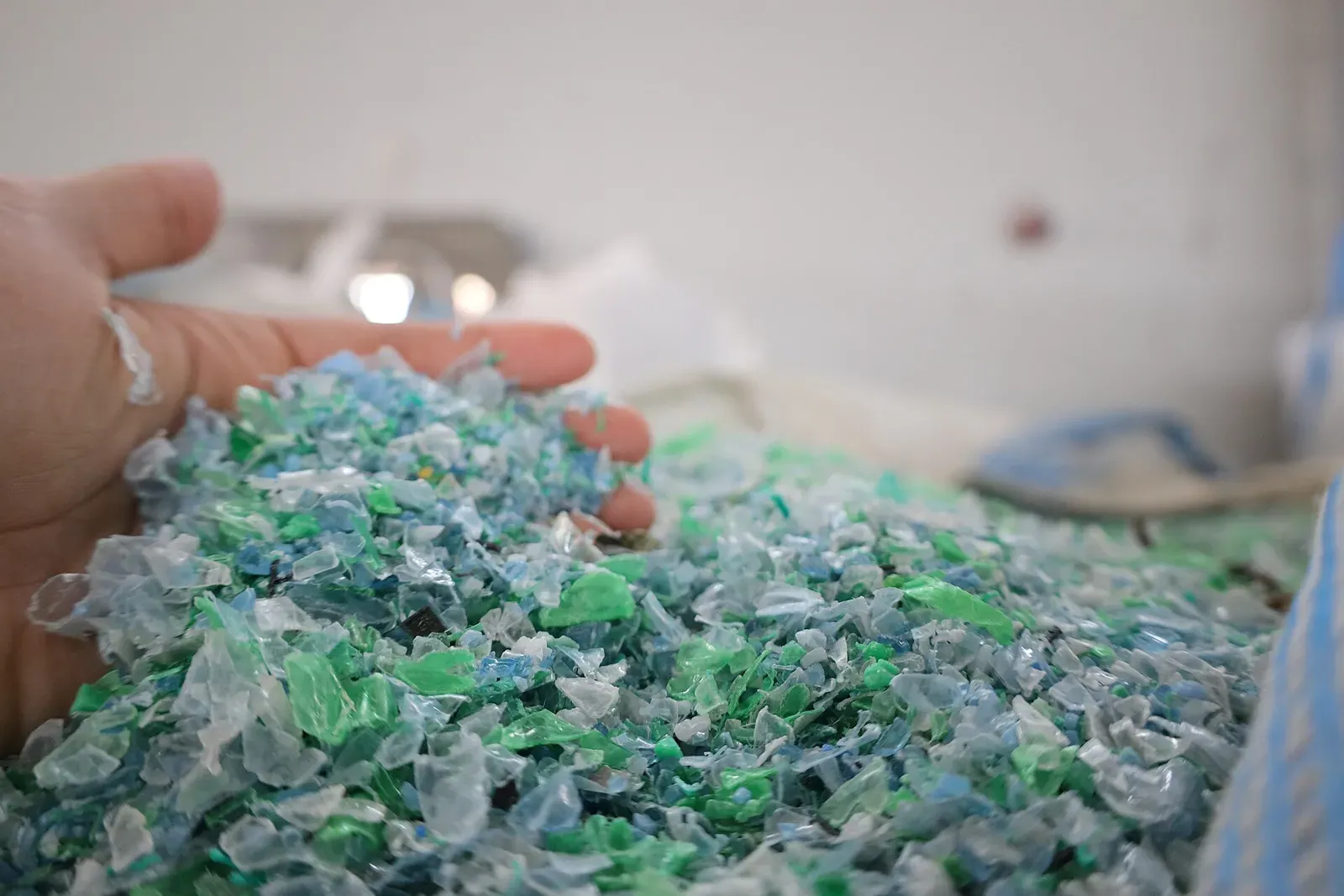
Ground PET bottle flakes, clear / mixed colour
- Est. 20FT loading
- 22 metric tons (22,000 kg)
- Est. 40FT loading
- 28 metric tons (28,000 kg)
- Origin
- Thailand
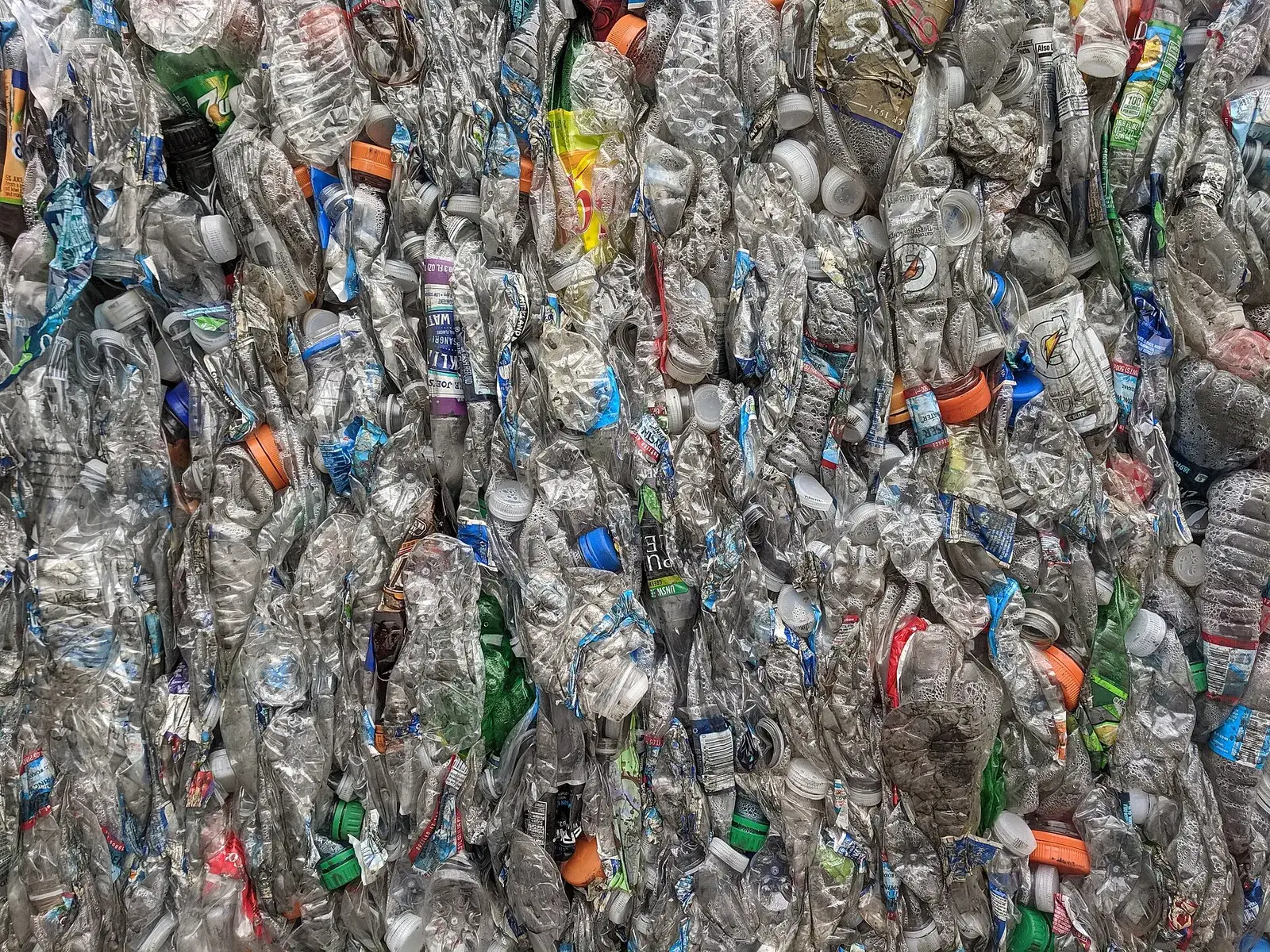
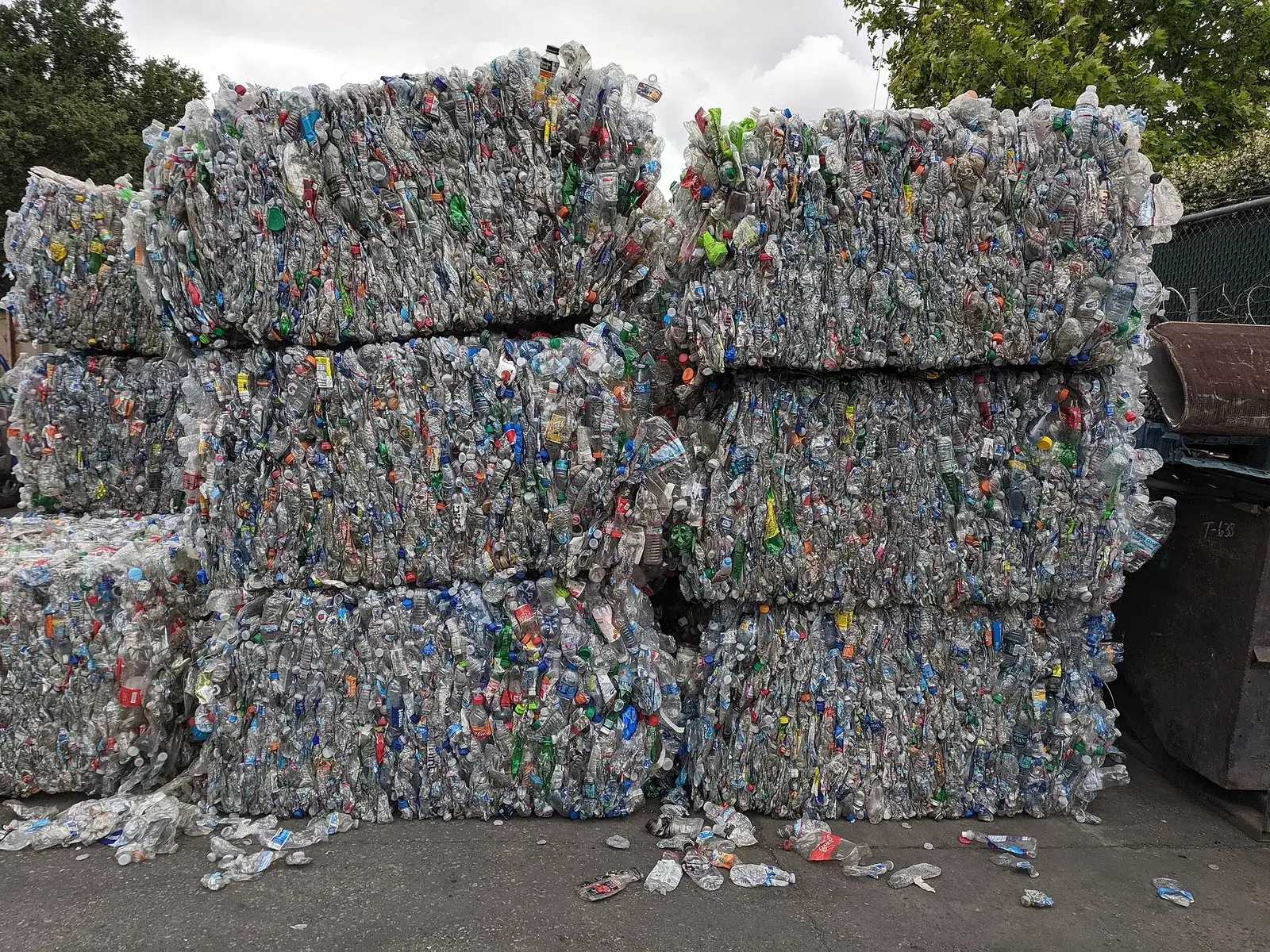
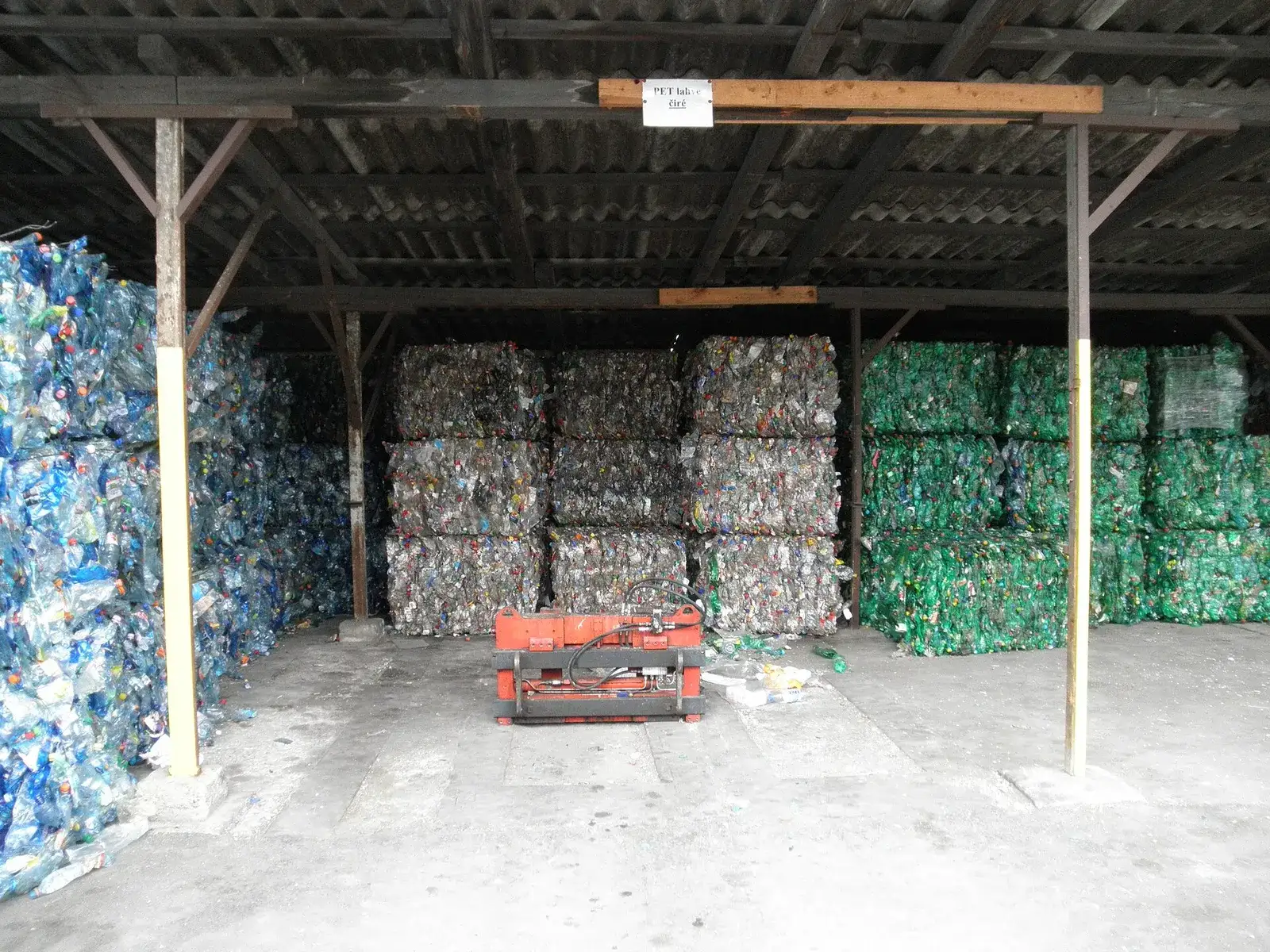
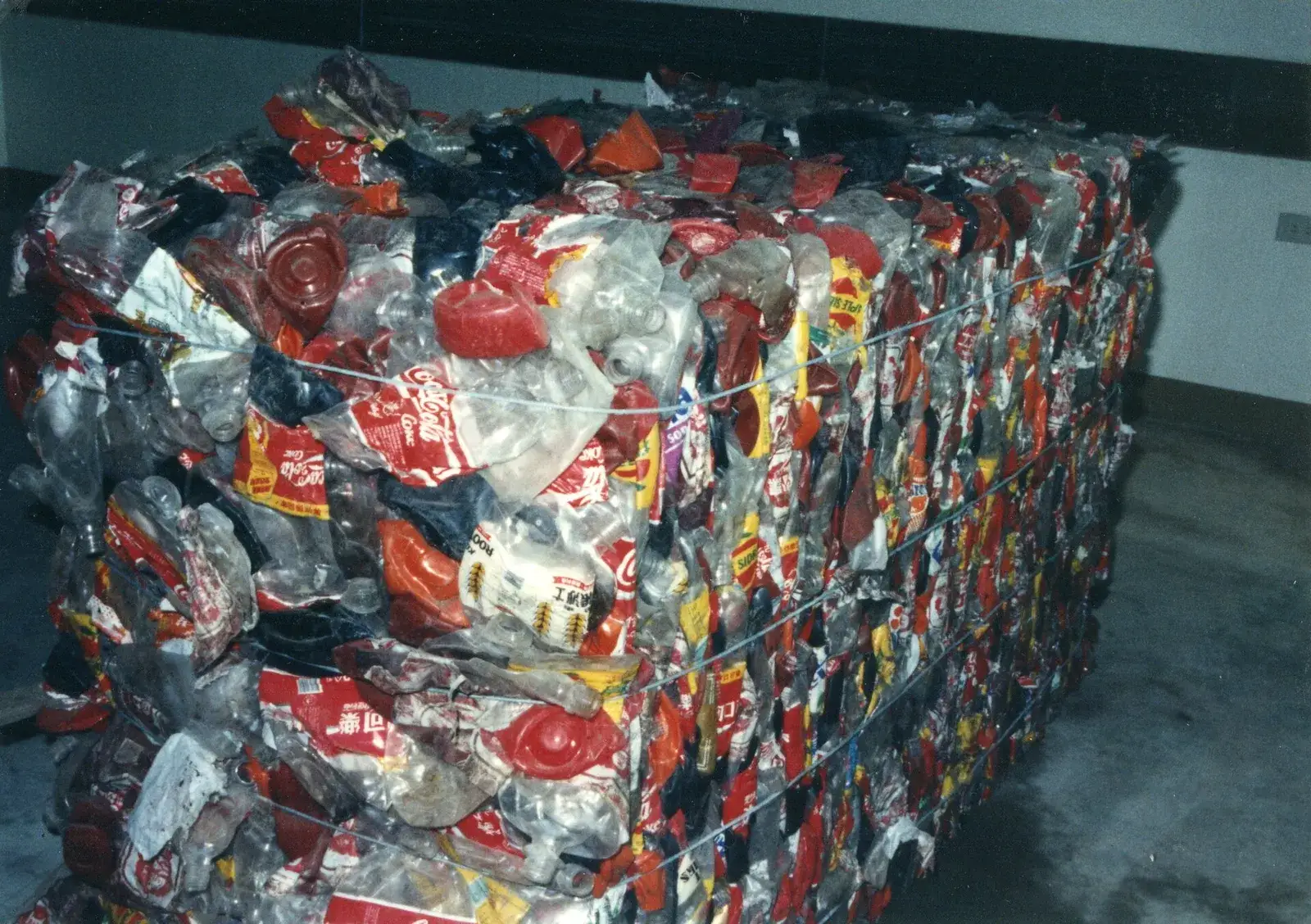
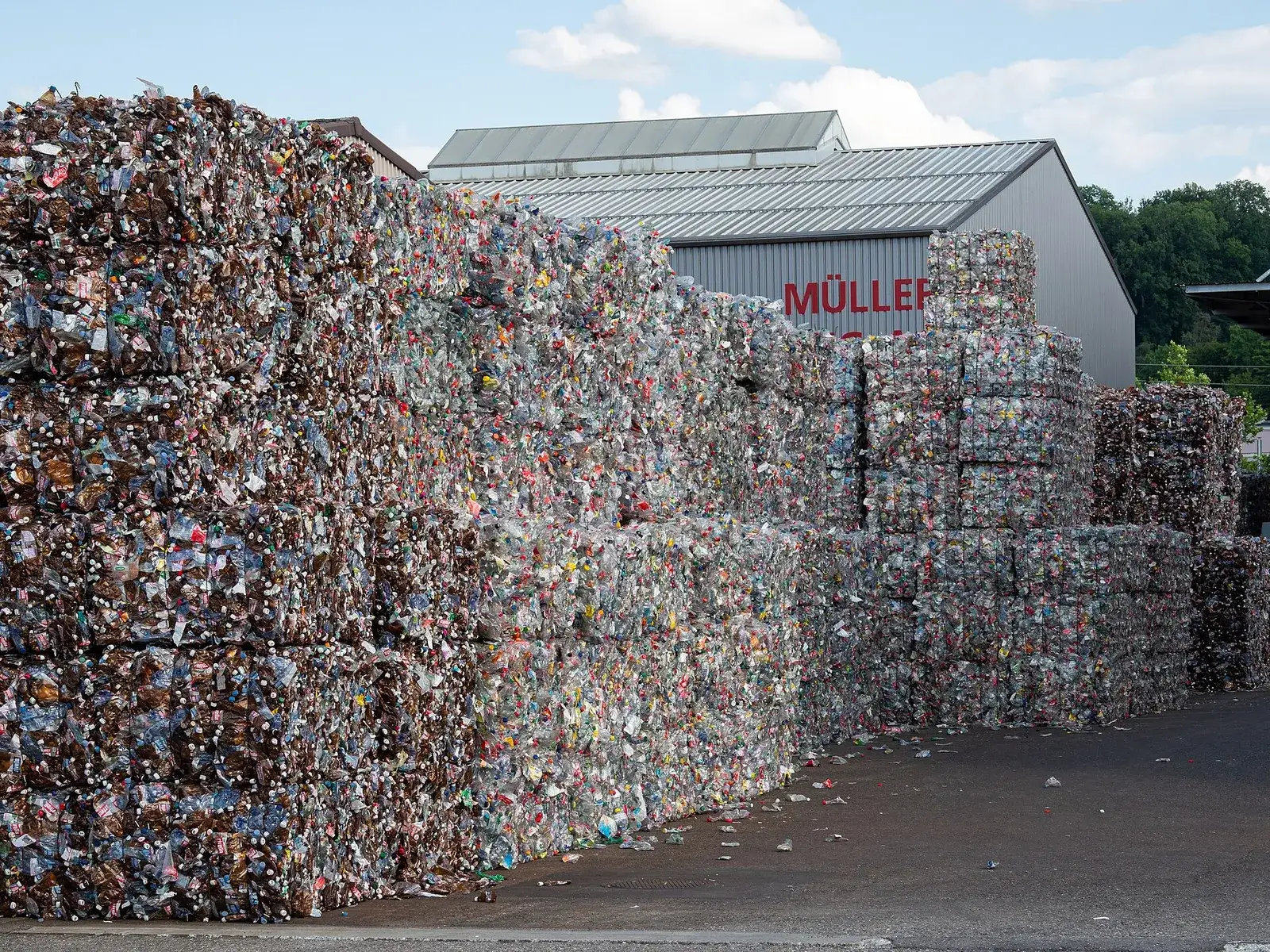
Baled post-consumer PET (#1) drink and food bottles — clear, light-blue or green — for washing and flaking into recycled PET (rPET).
| Grade | PET bottles — ReMA/ISRI bale Grade A / B / C |
|---|---|
| Indicative specification | Post-consumer PET bottles; Grade A ≥ 94% PET fraction |
| HS code | 3915.90 |
| Est. 20FT loading | 22 metric tons (22,000 kg) |
| Est. 40FT loading | 28 metric tons (28,000 kg) |
| Origin | Thailand |
| Product | PET Bottle Scrap (Baled) |
|---|---|
| Commercial grade | PET bottles — ReMA/ISRI bale Grade A / B / C |
| Standard / grade code | PET Bottles — Grade A / B / C — ReMA/ISRI Scrap Specifications Circular 2024 — Guidelines for Plastic Scrap |
| Chemical composition / purity | PET bottle fraction: Grade A ≥ 94%, B 83–93%, C 73–82% by weight (per the standard). Grade offered to be stated in the quotation. |
| HS code (6-digit, HS 2022) | 3915.90 — Waste, parings and scrap of other plastics |
| Physical form and appearance | Compressed, wire- or strap-tied bales of whole crushed bottles. |
| Contamination limits | PVC not allowed; each allowable contaminant ≤ 2% (see standard). |
| Moisture | Free of free-flowing liquids. |
| Country of origin | Thailand |
The 6-digit HS subheading is internationally harmonised; confirm the full national tariff line with your customs broker.
Whole post-consumer PET bottles or jars with a screw-neck top, marked #1 PET, clear, transparent green or light blue, free of contents; closures and labels may remain. Bale grade by PET-bottle fraction by weight: Grade A 94% or above, Grade B 83–93%, Grade C 73–82%. Individual low-level contaminants (other rigid PE/PP, PET thermoforms, aluminium cans, loose paper, liquid residues) each ≤ 2%. PVC in any form, PS, PETG, PLA, #7 plastics, film, foam, hazardous-material containers, metal, glass and similar are not allowed.
Source: ReMA/ISRI Scrap Specifications Circular 2024 — Guidelines for Plastic Scrap. Summarised in our own words; the published standard prevails.
| Packaging method | To be confirmed at quotation |
|---|---|
| Estimated net weight per 20FT container | 22 metric tons (22,000 kg) |
| Estimated net weight per 40FT container | 28 metric tons (28,000 kg) |
| Price and availability | Quoted per inquiry — no stock is implied by this listing |
Estimated loading quantities — subject to the material's packing density, the actual container payload and applicable transport weight limits.
Resin type, colour, contamination (labels, caps, other polymers, dirt, moisture) and bale condition are checked before loading, with loading photographs. Where specified in the contract, an independent inspection or a sample for testing can be agreed.
Since 1 January 2021 the Basel Convention plastic-waste amendments require prior informed consent for most mixed or contaminated plastic waste shipments. Clean, sorted single-polymer scrap destined for recycling (Basel entry B3011) is generally outside that requirement, but national import rules vary and some countries restrict or ban plastic scrap imports. Buyers must confirm import eligibility and permits at the destination.
Add the quantity in metric tonnes, destination country and port, and your preferred shipping terms.
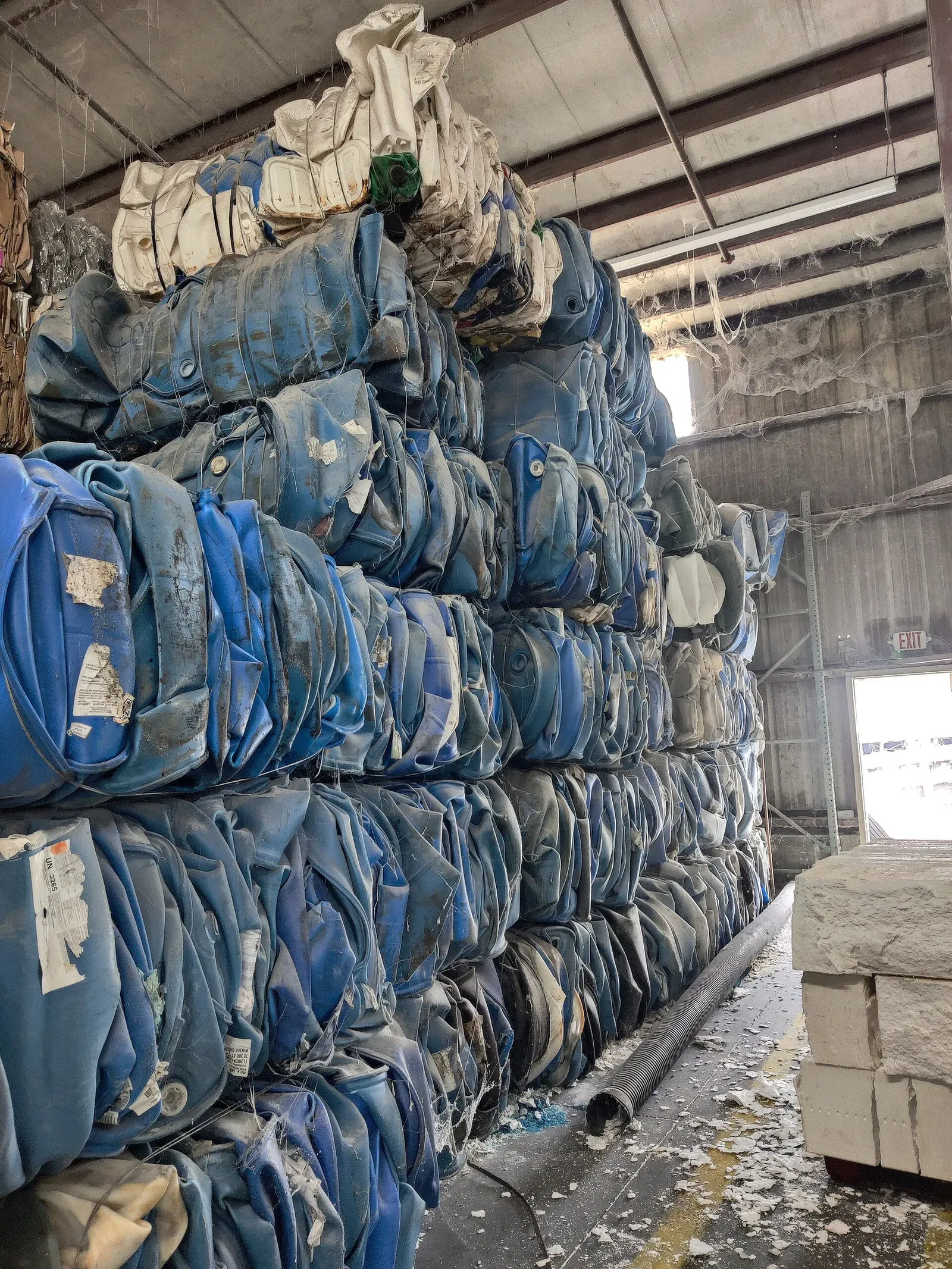
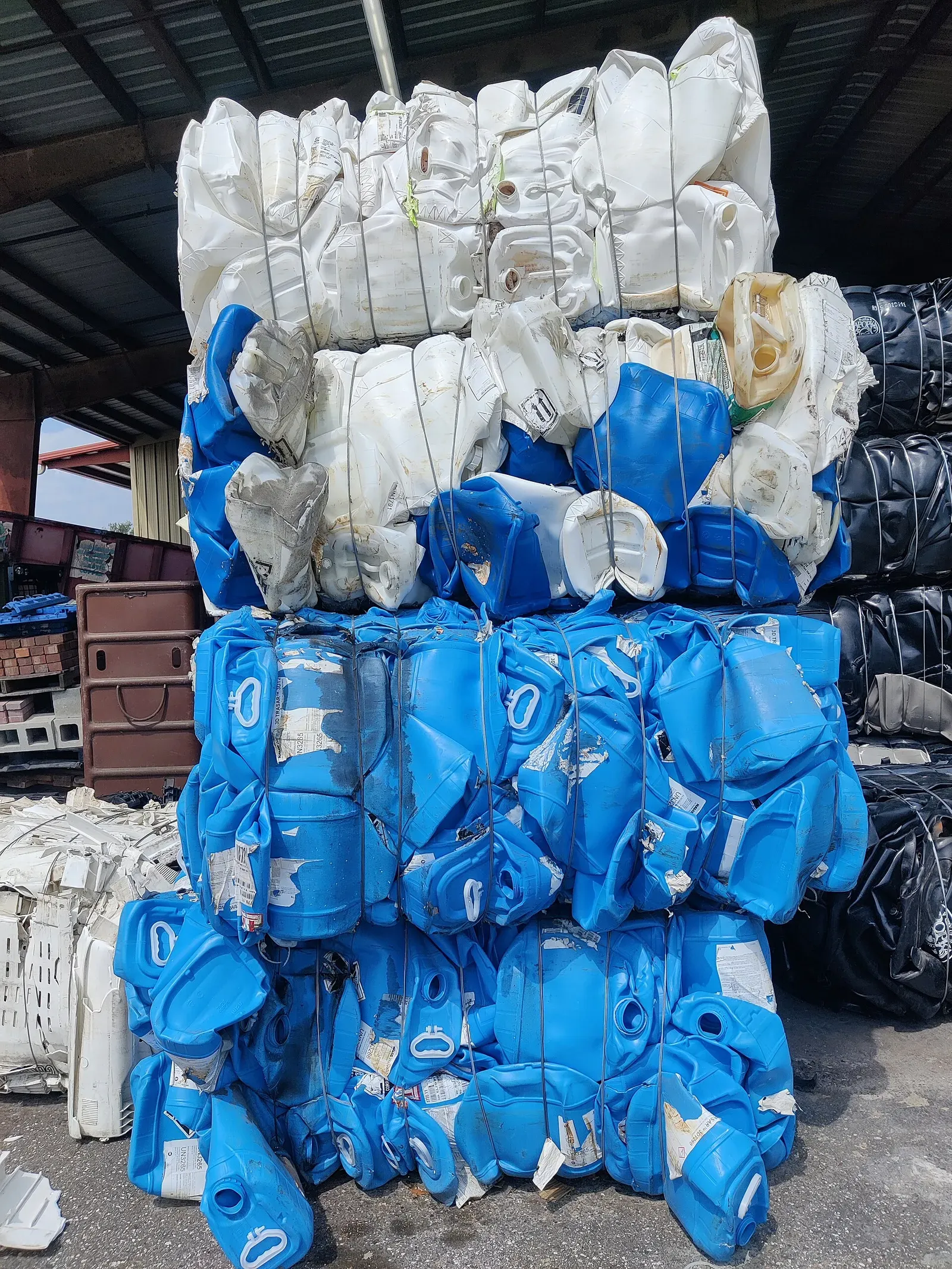
Photographs: illustrative images — not photographs of our stock.
Washed / unwashed PET flakes — by agreement
Ground PET bottle flakes, clear / mixed colour
HDPE blow-moulded drums — by agreement
Blue HDPE drums, baled or as regrind
ReMA/ISRI HDPE Natural / Colored Bottles
Post-consumer HDPE (#2) bottles, natural or coloured
ReMA/ISRI PE Clear Film Grade A / B
Clear/natural PE film; Grade A ≥ 95% clear