HMS 1 Scrap (Heavy Melting Steel No. 1)
HMS 1 — ISRI 200 / 201 / 202
Wrought iron/steel ≥ 6.35 mm (1/4") thick, charging-box size
- Est. 20FT loading
- 22 metric tons (22,000 kg)
- Est. 40FT loading
- 28 metric tons (28,000 kg)
- Origin
- Thailand
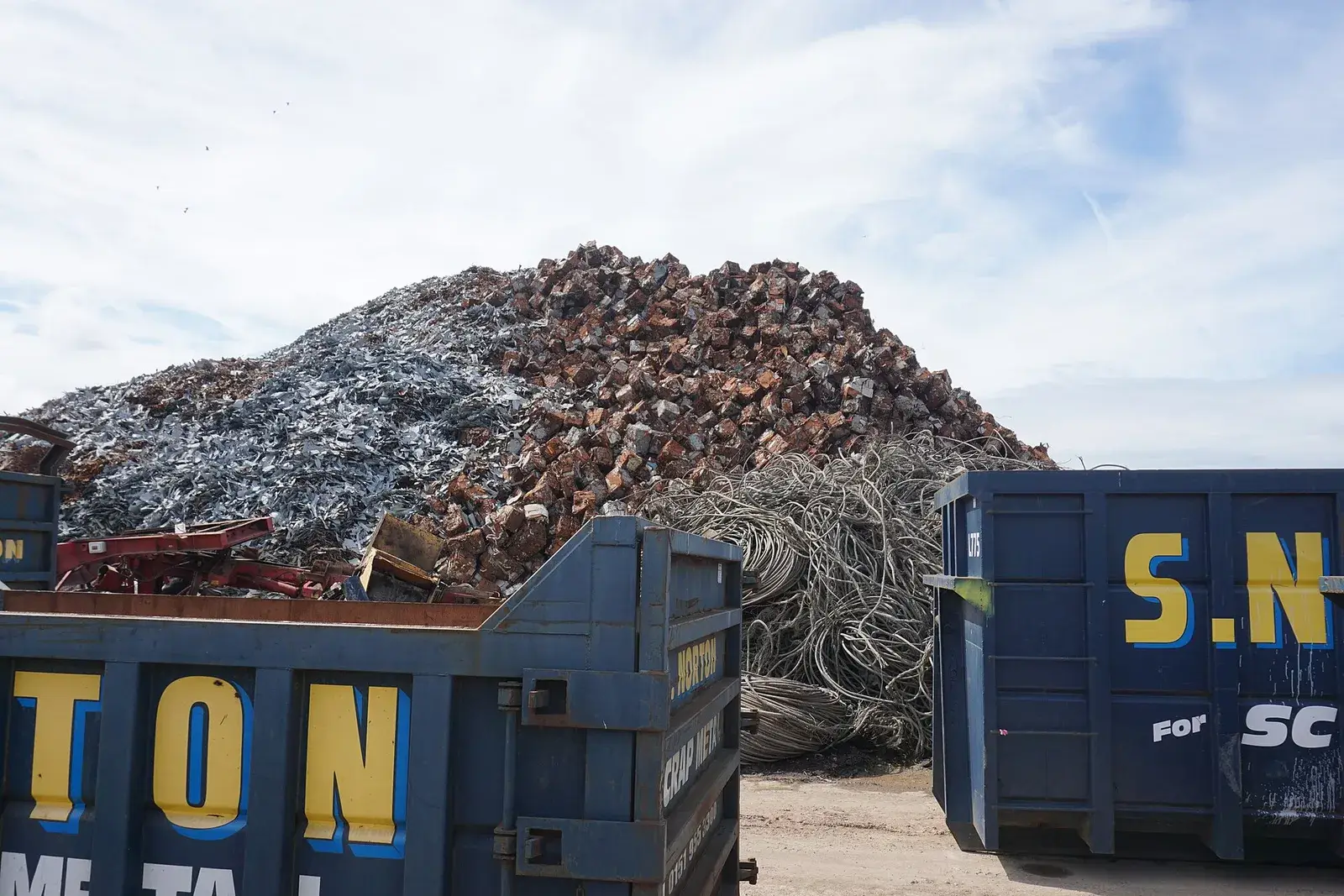
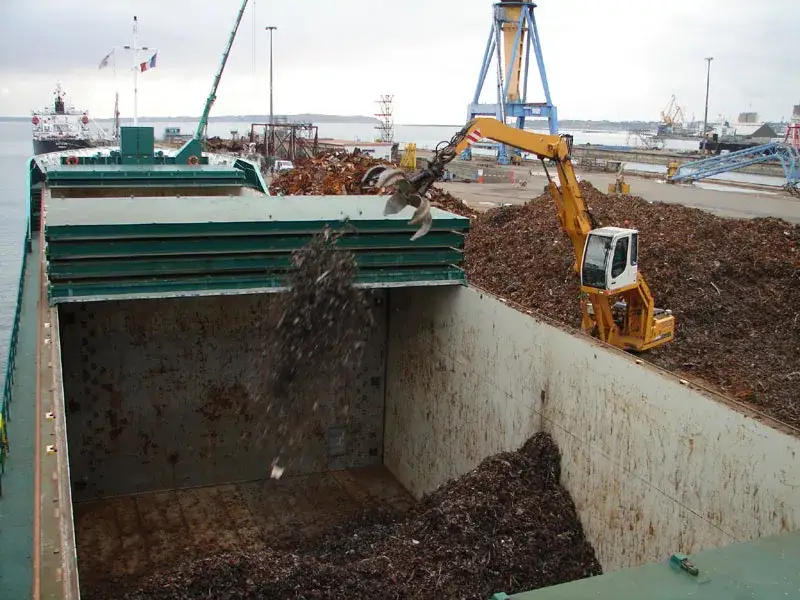
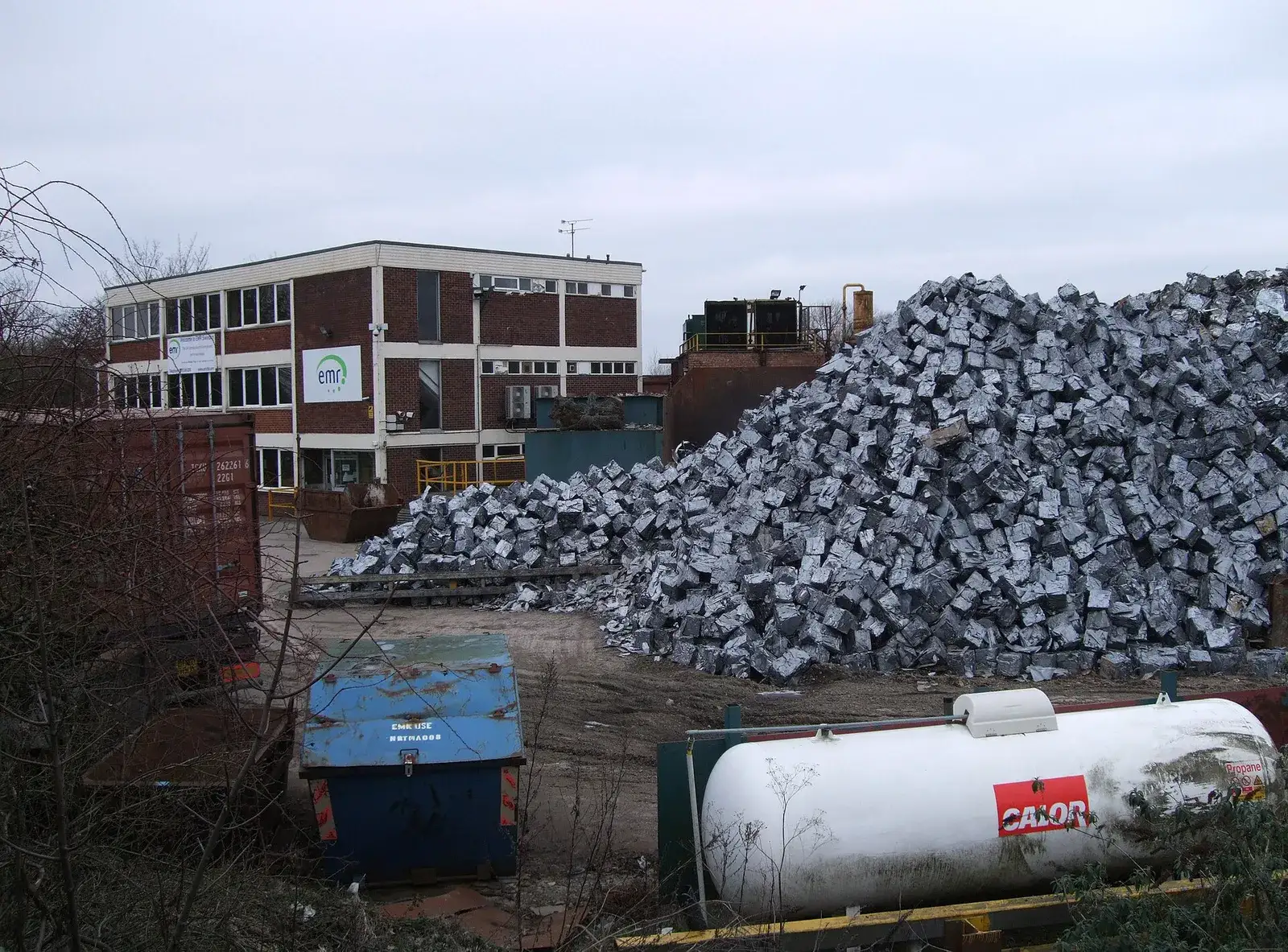
Homogeneous steel scrap produced by shredding cars and light steel and separating it magnetically. Its consistency makes it a preferred EAF feed.
| Grade | ISRI 210 / 211 |
|---|---|
| Indicative specification | Magnetically separated shred, avg. density 50–70 lb/ft³ |
| HS code | 7204.49 |
| Est. 20FT loading | 22 metric tons (22,000 kg) |
| Est. 40FT loading | 28 metric tons (28,000 kg) |
| Origin | Thailand |
| Product | Shredded Steel Scrap |
|---|---|
| Commercial grade | ISRI 210 / 211 |
| Standard / grade code | 210 / 211 — ReMA/ISRI Scrap Specifications Circular 2024 — Guidelines for Ferrous Scrap |
| Chemical composition / purity | Carbon steel shred; copper content to be agreed where required. |
| HS code (6-digit, HS 2022) | 7204.49 — Other ferrous waste and scrap |
| Physical form and appearance | Fist-sized shredded pieces. |
| Contamination limits | Magnetically separated; free of nonferrous metals, fluff, rubber and dirt beyond agreed limits. |
| Moisture | Free of excessive water and dirt. |
| Country of origin | Thailand |
The 6-digit HS subheading is internationally harmonised; confirm the full national tariff line with your customs broker.
Homogeneous iron and steel scrap, magnetically separated, originating from automobiles, unprepared No. 1 and No. 2 steel, miscellaneous baling and sheet scrap. Average density 50 lb/ft³ (code 210) or 70 lb/ft³ (code 211).
Source: ReMA/ISRI Scrap Specifications Circular 2024 — Guidelines for Ferrous Scrap. Summarised in our own words; the published standard prevails.
| Packaging method | To be confirmed at quotation |
|---|---|
| Estimated net weight per 20FT container | 22 metric tons (22,000 kg) |
| Estimated net weight per 40FT container | 28 metric tons (28,000 kg) |
| Price and availability | Quoted per inquiry — no stock is implied by this listing |
Estimated loading quantities — subject to the material's packing density, the actual container payload and applicable transport weight limits.
Grade, weight and contamination are checked before loading by visual inspection. Where the contract specifies it, an independent pre-shipment inspection (for example by SGS, Bureau Veritas or Intertek) and laboratory analysis — electrolytic assay for copper, XRF/OES analysis for alloys — can be agreed. Loading photographs and weighbridge tickets are normally part of the shipping documents. The inspection agency, sampling method and acceptance criteria are fixed in the contract.
Imports of metal scrap are regulated in many countries (import licences, pre-shipment inspection certificates, radiation checks). Buyers are responsible for confirming that the grade may be imported at the destination before contracting.
Add the quantity in metric tonnes, destination country and port, and your preferred shipping terms.
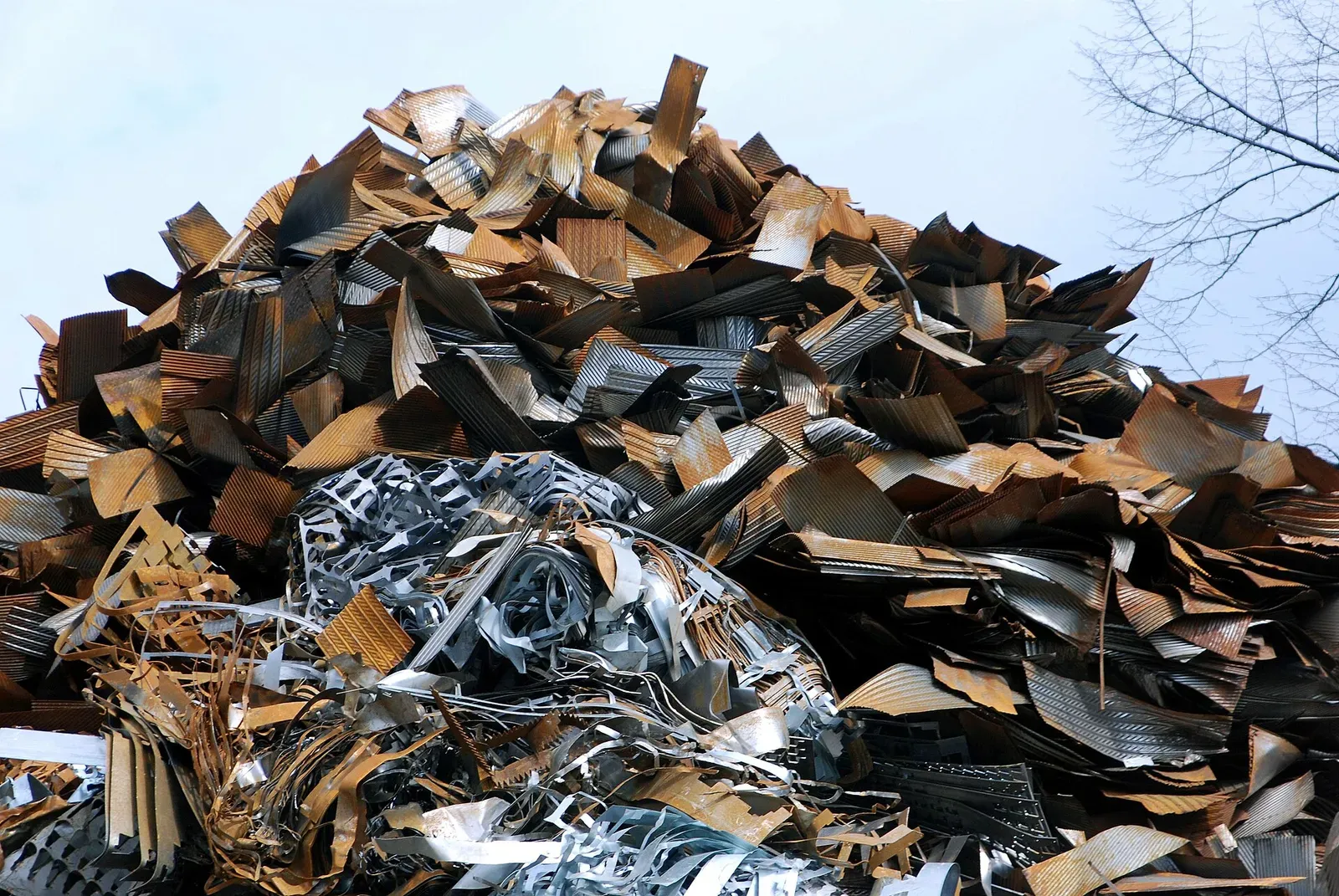
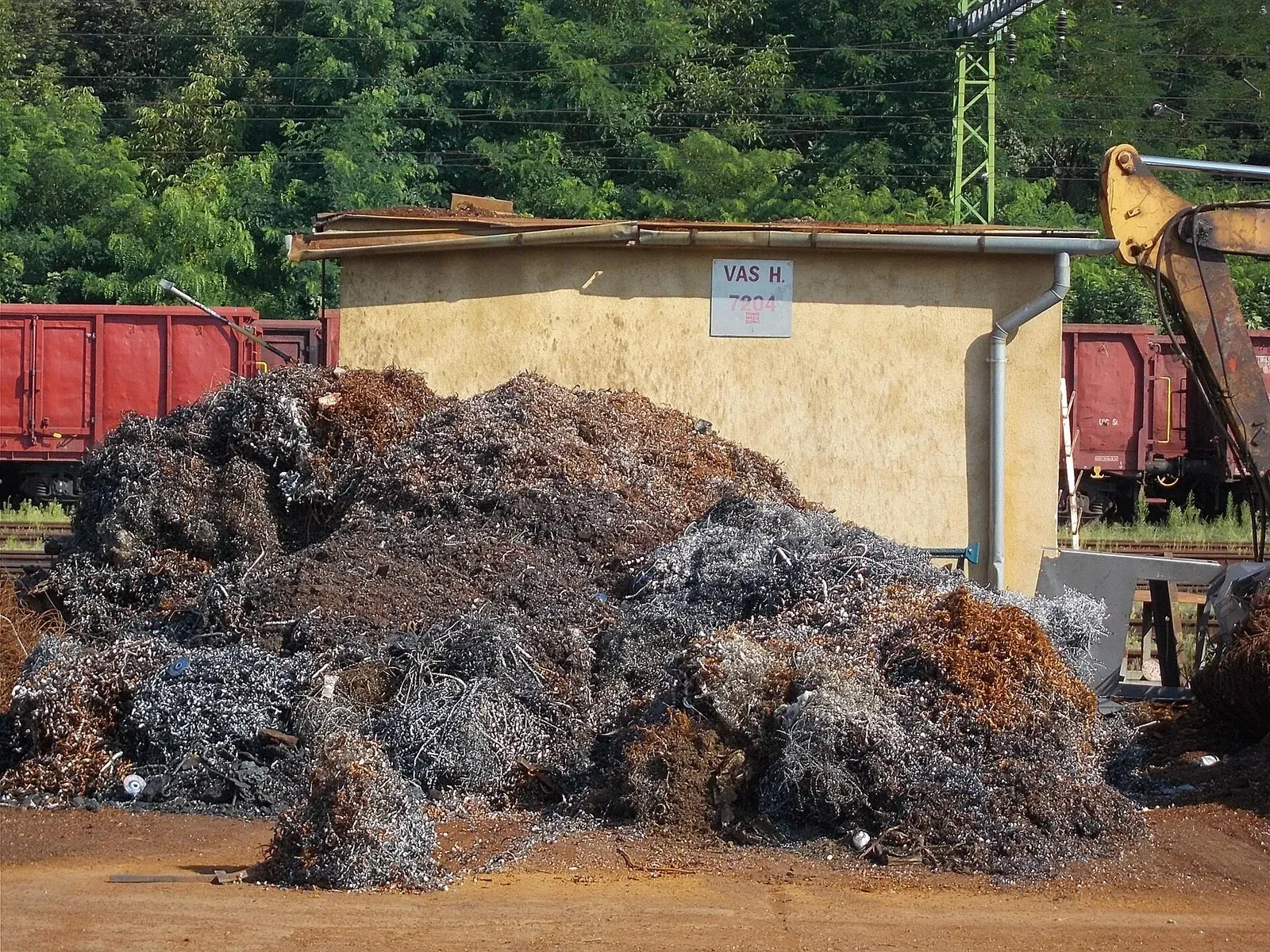
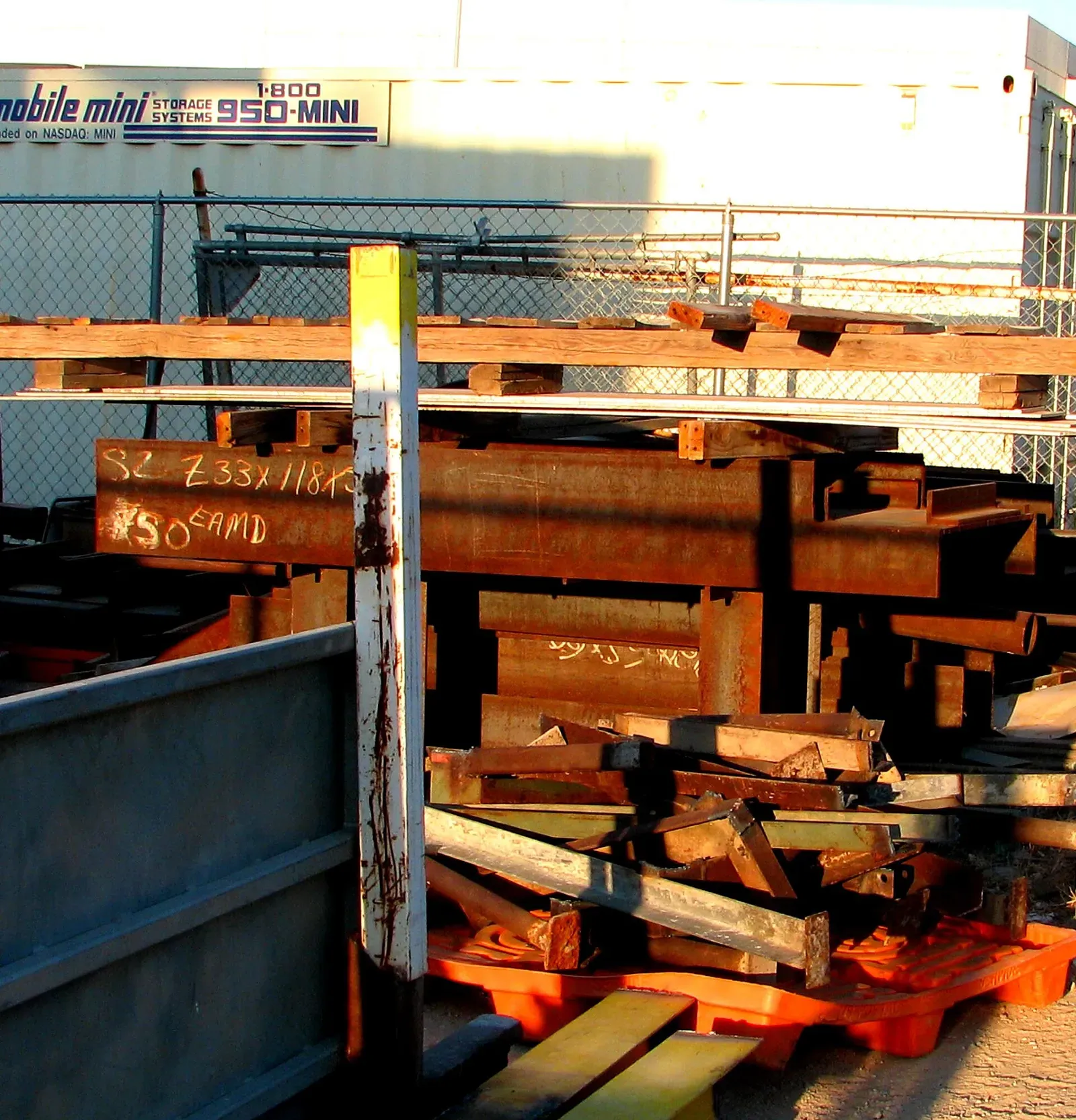
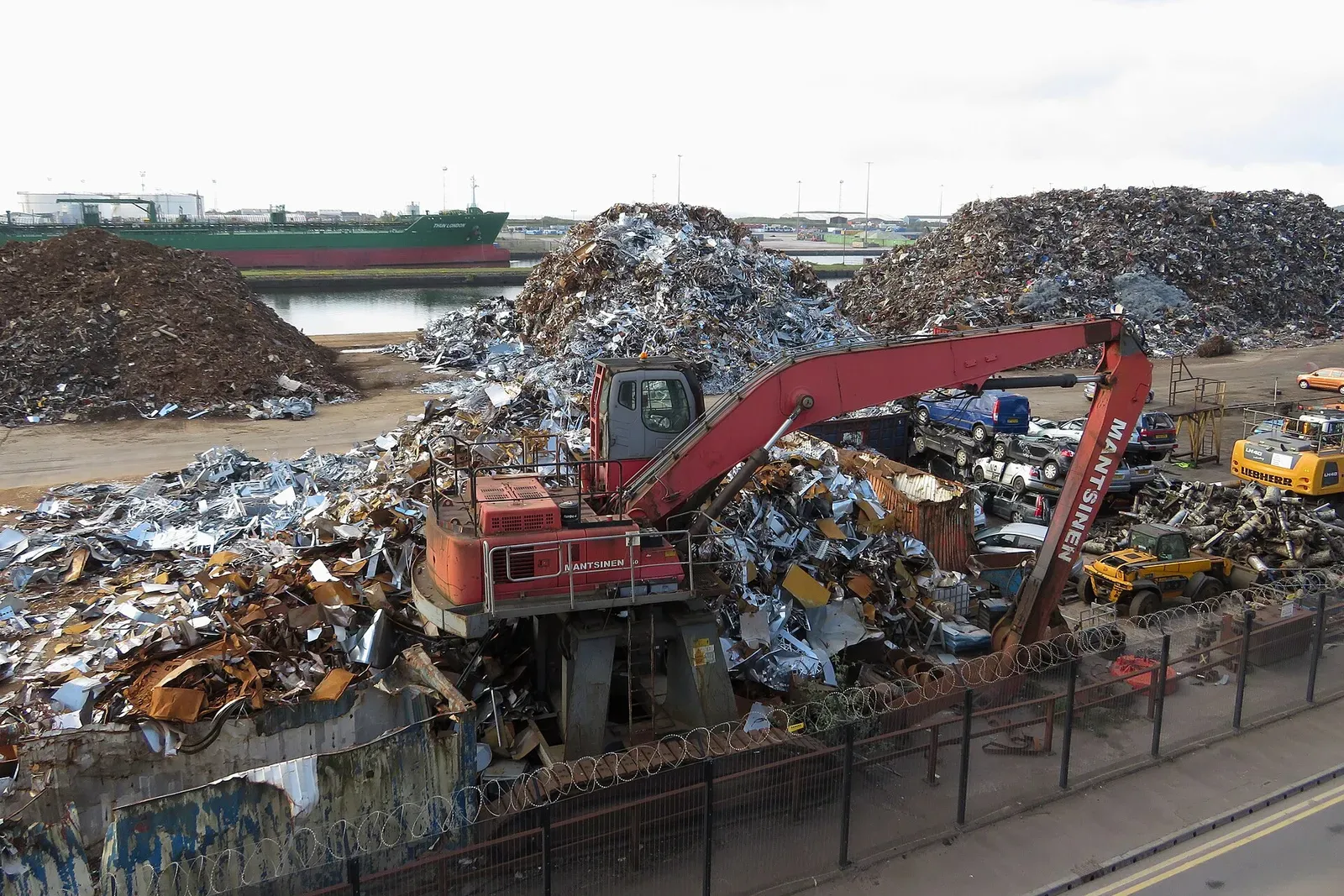
Photographs: illustrative images — not photographs of our stock.
HMS 1 — ISRI 200 / 201 / 202
Wrought iron/steel ≥ 6.35 mm (1/4") thick, charging-box size
HMS 2 — ISRI 203 / 204 / 205 / 206
Black & galvanised steel ≥ 3.18 mm (1/8") thick
HMS 1&2 80:20 — trade blend
Blend of 80% HMS 1 and 20% HMS 2 by weight
P&S — ISRI 231 / 232 / 236
Clean plate & structural ≥ 6.35 mm, P & S ≤ 0.05%