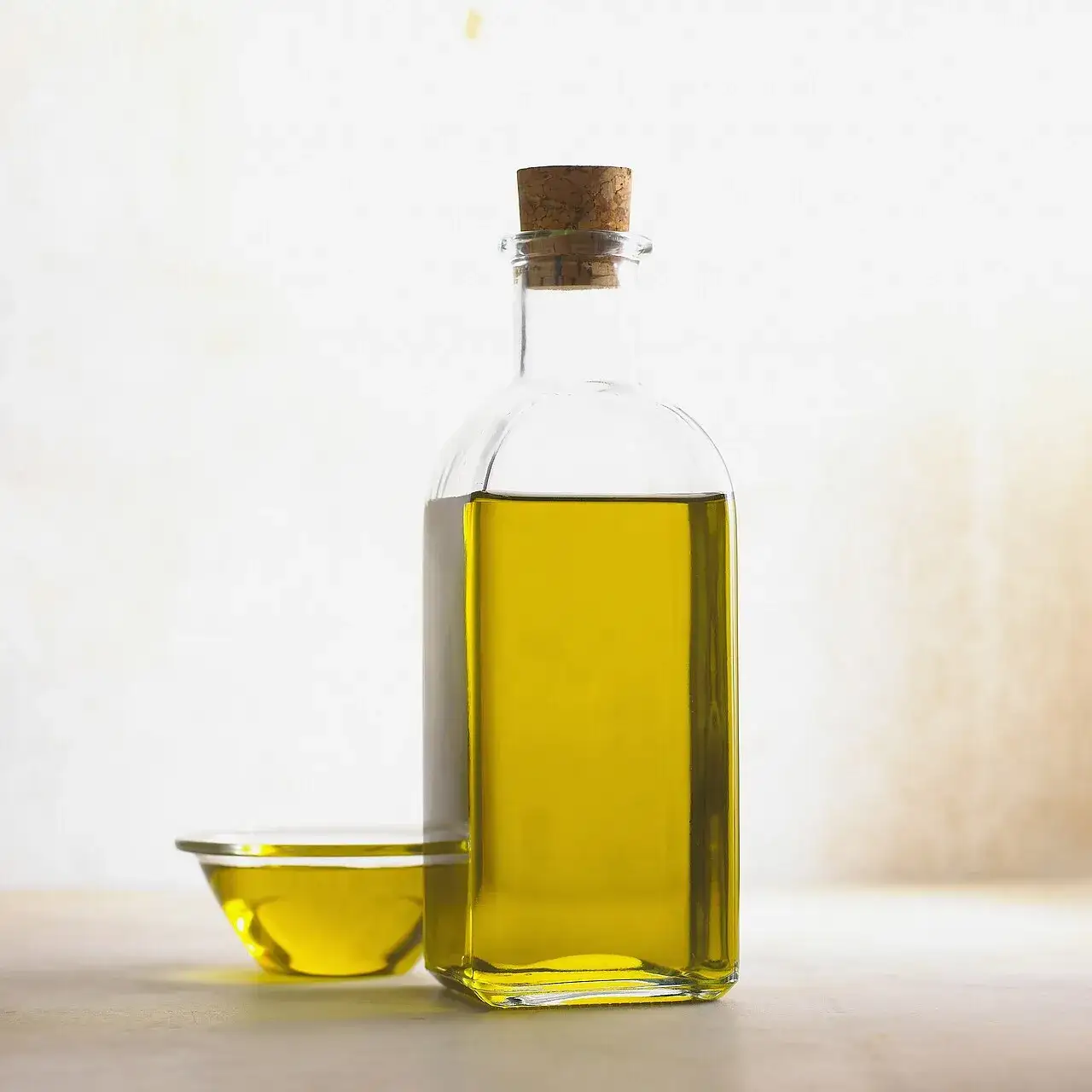
Extra virgin olive oil is the juice of the olive, obtained by pressing or centrifuging the fruit without heat or solvents. It is the only widely traded cooking oil defined by taste as well as chemistry: to be sold as extra virgin, an oil must be below a set free acidity limit and be free of sensory defects. Character varies with variety, region, ripeness at harvest and how quickly the fruit was milled — from soft and buttery to grassy, peppery and bitter — so buyers usually specify origin and style, not just the grade.

Key facts for Extra Virgin Olive Oil
TypeVirgin olive oil — extra virgin grade
SourceFruit of the olive tree, Olea europaea.
GradesExtra virgin
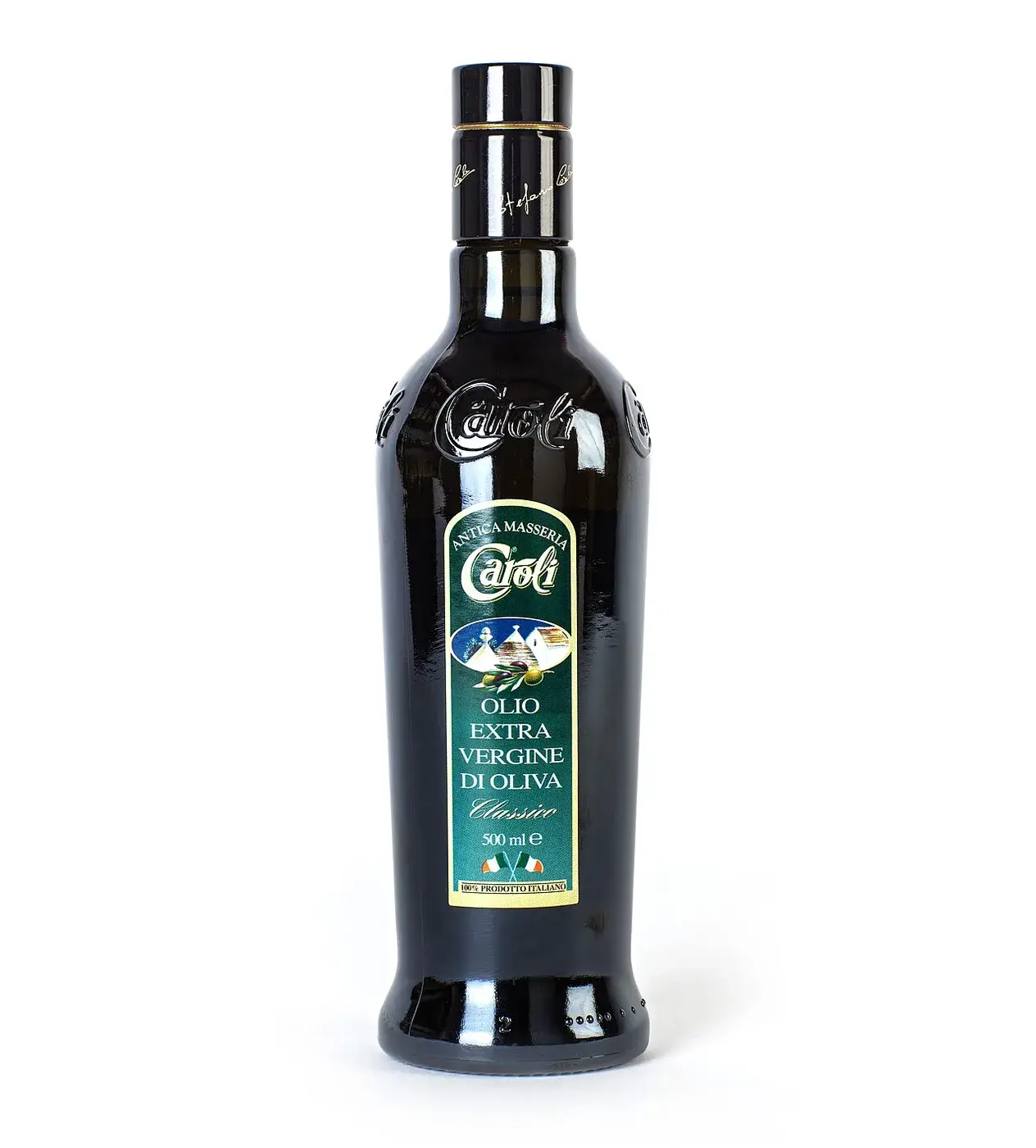
PackagingGlass bottles (dark): 250 ml, 500 ml, 750 ml, 1 L (examples below)
PriceQuoted per inquiry

Grades and how they are used

Extra virgin

The top grade under the Codex standard: mechanically extracted, within the free acidity limit, and free of sensory defects.

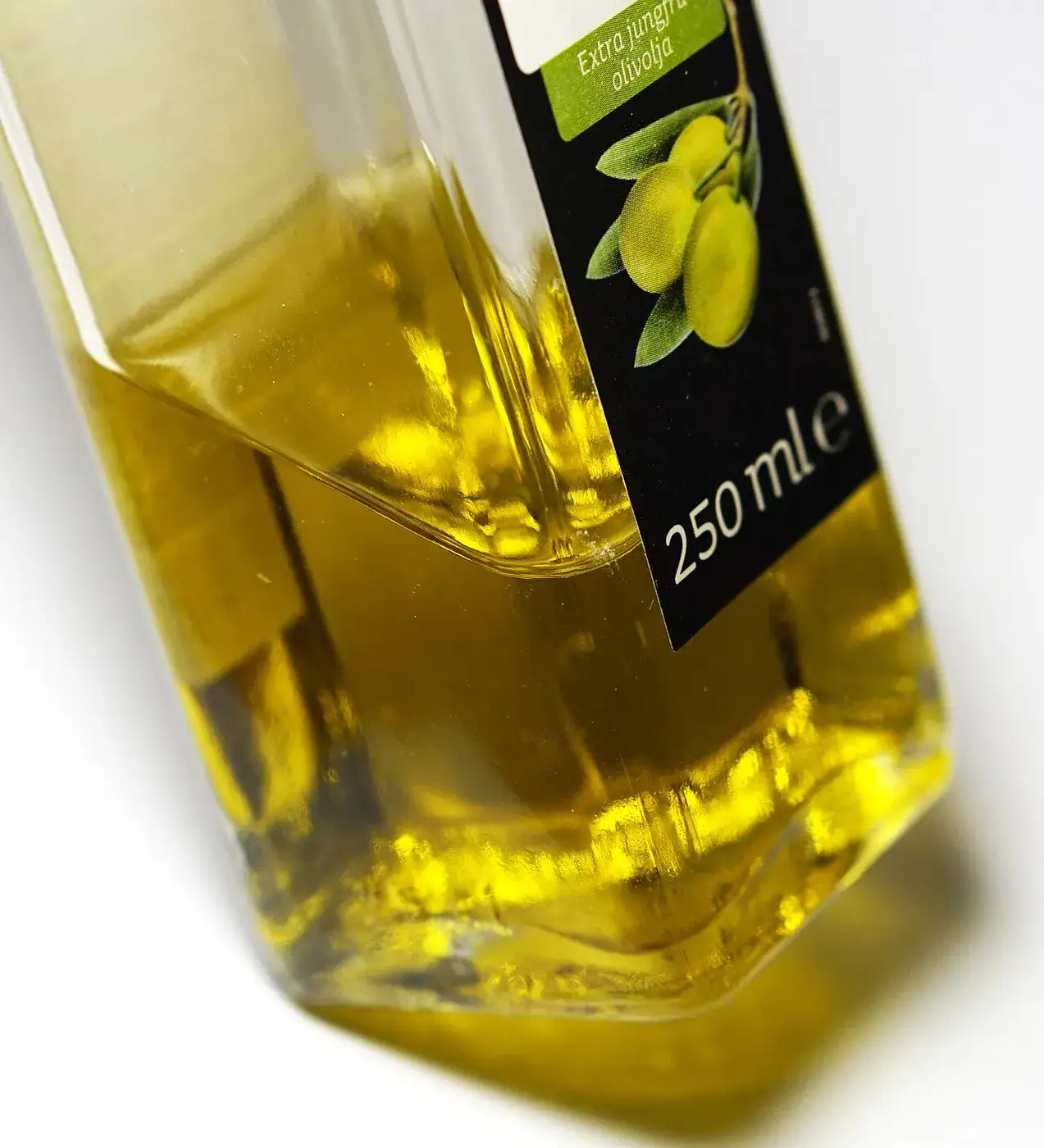
Character: Green-gold to golden; fruity, often with grassy, herbal or peppery notes and a bitter finish.

  • Dressings, dips and marinades
  • Finishing soups, grilled vegetables, fish and bread
  • Everyday cooking where its taste is wanted

Culinary applications

  • Salad dressings and vinaigrettes
  • Finishing and drizzling
  • Marinades and dips
  • Sautéing and baking where its flavour is wanted
  • Retail packing in glass and tin

Cooking with heat

Extra virgin olive oil is used both cold and for cooking; in its home regions it is a normal cooking oil, not only a finishing one. What is true is that heating reduces the aromas paid for in a good oil, so the finest lots are usually kept for cold use and more robust ones used for cooking. Heat tolerance varies with free acidity and the quantity of minor components, so use the lot specification.

Smoke point is not published here as a single figure. It varies with refinement, free fatty acid content, filtration and how often an oil has been used, so the figure that matters is the one on the specification for the lot supplied.

Packaging formats

Formats used in the trade for this product, as examples. They are not a statement of our stock:

  • Glass bottles (dark): 250 ml, 500 ml, 750 ml, 1 L
  • Tins: 1 L, 3 L, 5 L
  • PET bottles: 1 L, 2 L, 5 L
  • Bag-in-box and pails: 5 L, 10 L, 20 L
  • Drums and IBCs for bulk supply

The pack sizes, carton configuration and pallet pattern for an order are fixed at quotation, together with labelling for the destination market.

Wholesale specification

Product nameExtra Virgin Olive Oil
Oil or fat typeVirgin olive oil — extra virgin grade
Botanical or animal sourceFruit of the olive tree, Olea europaea.
ClassificationExtra virgin
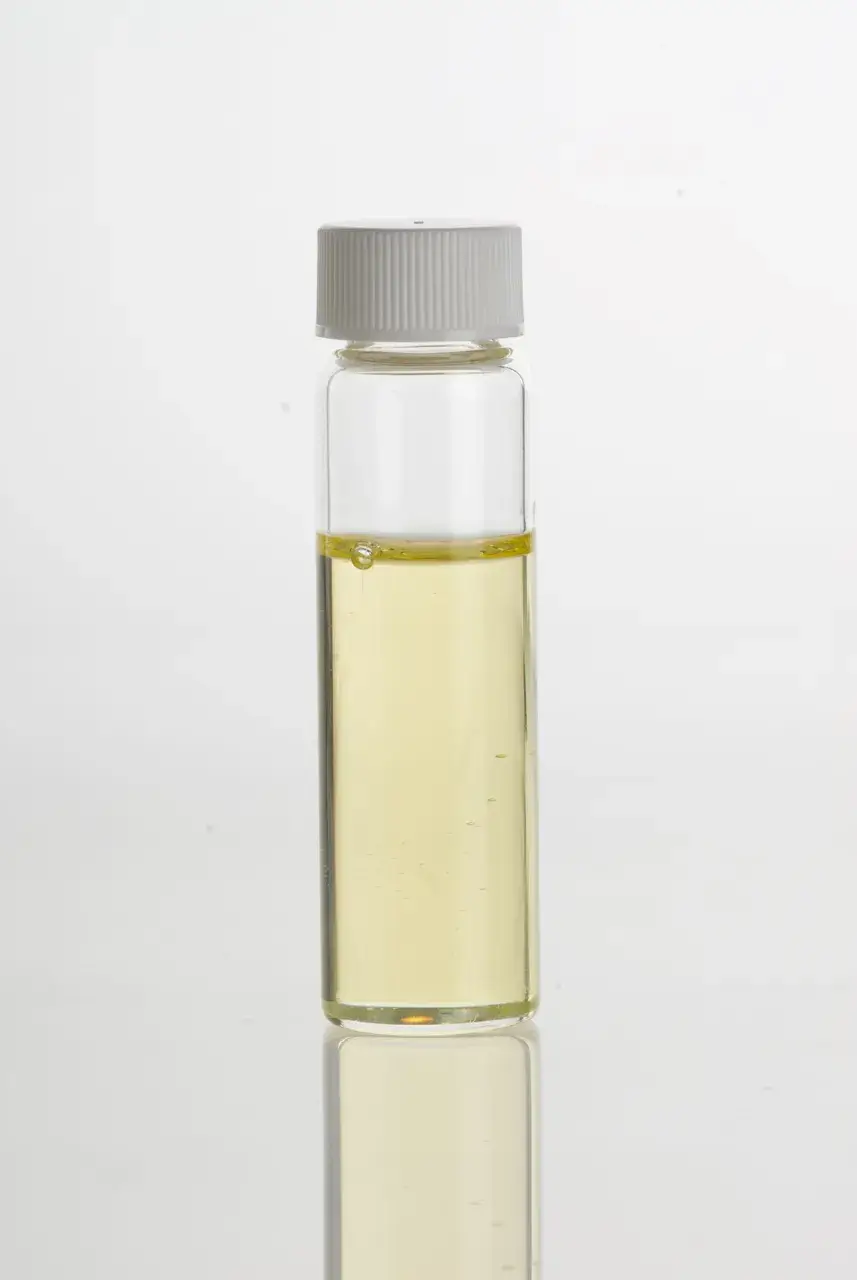
Appearance and colourGreen-gold to deep gold, clear or slightly cloudy when unfiltered.
AromaFruity and fresh — grass, herbs, tomato leaf or almond depending on variety and origin.
FlavourFruity with bitterness and a peppery catch at the back of the throat; both are normal in a fresh, well-made oil.
StandardCXS 33-1981 — Codex Alimentarius, Standard for Olive Oils and Olive Pomace Oils
HS code (6-digit, HS 2022)1509.20 — Extra virgin olive oil
Storage conditionsCool and dark, away from heat. Dark glass or tin protects the oil; light and warmth age it quickly.
Net content per retail unitConfirmed upon quotation
Units per export cartonConfirmed upon quotation
Cartons per palletConfirmed upon quotation
Estimated 20FT container loadingConfirmed upon quotation
Estimated 40FT container loadingConfirmed upon quotation
Minimum order quantityConfirmed upon quotation
Shelf lifeConfirmed upon quotation
Country of originConfirmed upon quotation
Food-grade and quality documentationConfirmed upon quotation
Price and availabilityQuoted per inquiry — no stock is implied by this listing

On the standard: Extra virgin olive oil is obtained from the fruit by mechanical means only, under conditions that do not alter the oil, and meets the free acidity and sensory requirements of the standard. Trade in producing regions may also apply IOC or EU rules.

HS note: HS 2022 separates extra virgin (1509.20), virgin (1509.30) and other virgin olive oils (1509.40) from refined and blended olive oil (1509.90).

The 6-digit HS subheading is internationally harmonised; confirm the full national tariff line with your customs broker. Container loading is calculated once carton dimensions, gross weights, the pallet pattern and the applicable payload limit are known — it is not estimated from the pack size alone.

Points to note when ordering

  • Grade, origin, harvest year and free acidity should all appear on the specification. “Extra virgin” alone does not describe the oil.
  • Olive oil is a recurring subject of authenticity testing. Where origin or grade is critical, agree the analysis and the sampling method in the contract.

Request a quotation for Extra Virgin Olive Oil

Tell us the grade, the pack size, the quantity and the destination port, and we will confirm availability, packing and price.

Include the country code, for example +66 80 904 6011.

Choose from the list or type any product.

Wholesale details (optional)

Helpful details: quantity, packaging, destination port and delivery terms.

Fields marked * are required. Your details are used only to respond to your inquiry.

Prefer email? [email protected]. OrWhatsApp / call+66 80 904 6011.

Photo credits

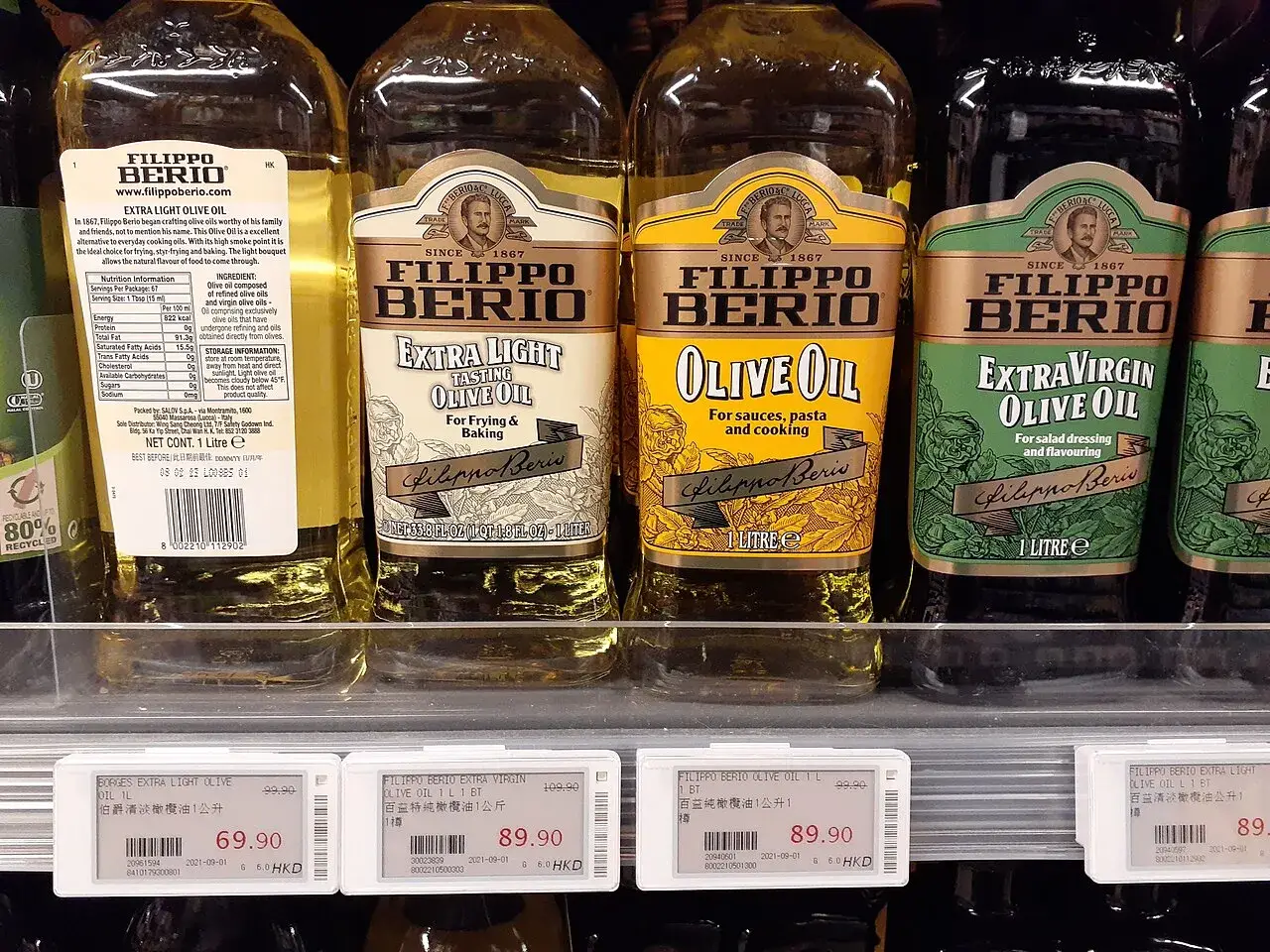
Photographs show examples of retail and wholesale packaging in the trade, or the product itself. They are not photographs of our stock, and the brands shown are not ours.