Canola Oil
Vegetable oil — refined
Refined canola oil with a neutral taste, for frying, baking and general cooking.
- Packaging
- PET bottles: 500 ml, 1 L, 2 L, 3 L, 5 L; Jerry cans: 5 L, 10 L, 18 L, 20 L …
- Price
- Quoted per inquiry

“Vegetable oil” is a trade description rather than a single botanical product. It is either one refined seed oil sold under a general name, or a blend of two or more refined oils chosen for a neutral taste and a steady price. Because the composition decides how the oil behaves in a kitchen and how it must be labelled, we quote vegetable oil only against a stated composition: either the single oil it is made from, or the oils in the blend and their proportions.
| Type | Vegetable oil — single oil or declared blend |
|---|---|
| Source | Seed and fruit oils, singly or blended. The oils in the blend are named on the specification and the label. |
| Grades | Single refined oil sold as vegetable oil; Declared blend |
| Packaging | PET bottles: 250 ml, 500 ml, 1 L, 2 L, 3 L, 5 L (examples below) |
| Price | Quoted per inquiry |
One named oil — sunflower, canola, soybean or palm olein, for example — refined, bleached and deodorised, then sold under a general name.
Character: Clear, pale yellow, with little smell or taste of its own.
Two or more refined oils blended to a specification. The blend is named on the label because composition affects both cooking behaviour and labelling.
Character: Clear and pale; colour and behaviour depend on the oils used.
Refined oils are the usual choice for frying because refining removes the free fatty acids and fine particles that make an oil break down sooner. How much heat a particular lot tolerates depends on the oils used, how thoroughly they were refined and how often the oil is reused, so the figure that matters is the one on the specification for the lot supplied, not a general figure for “vegetable oil”.
Smoke point is not published here as a single figure. It varies with refinement, free fatty acid content, filtration and how often an oil has been used, so the figure that matters is the one on the specification for the lot supplied.
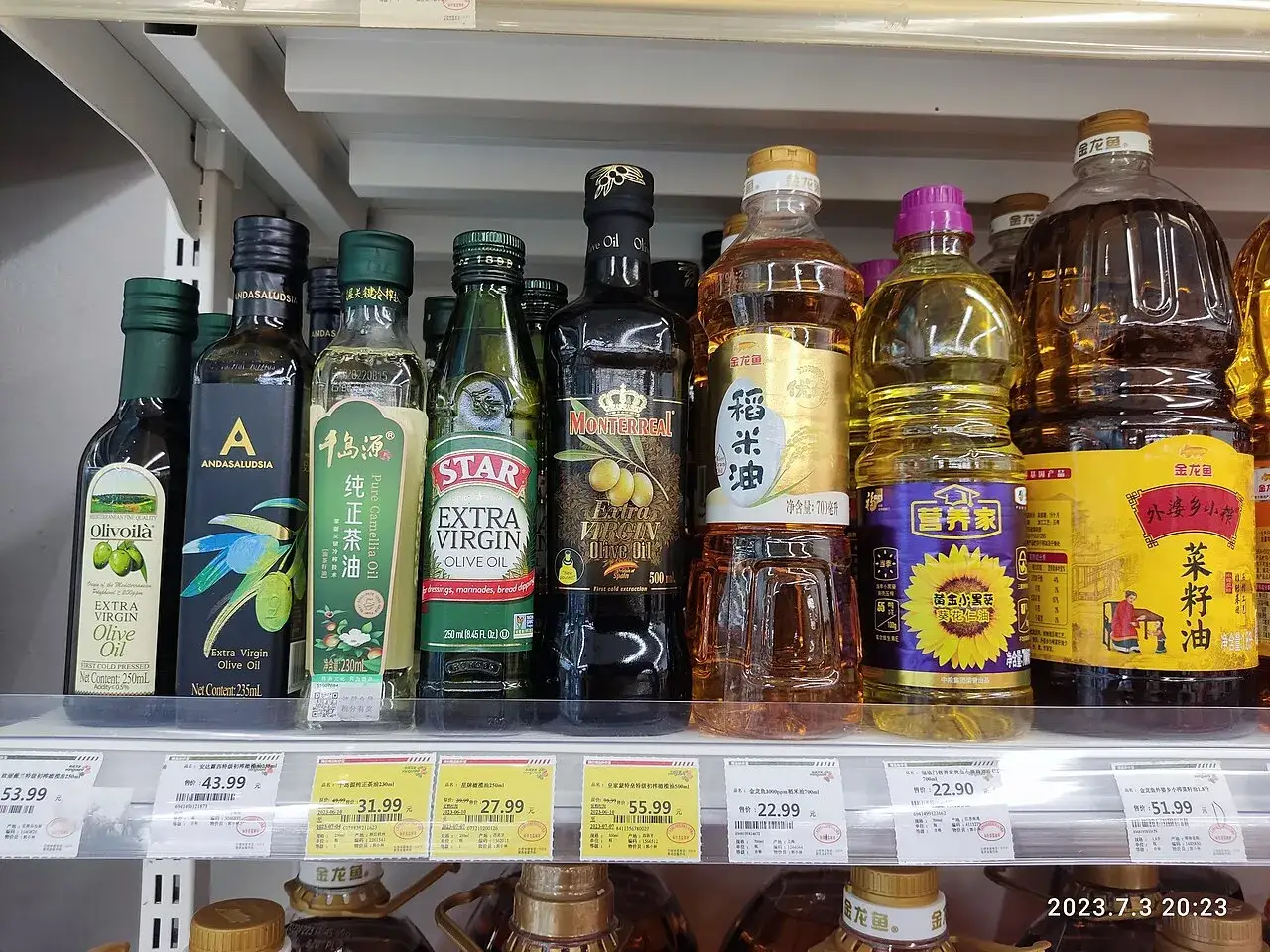
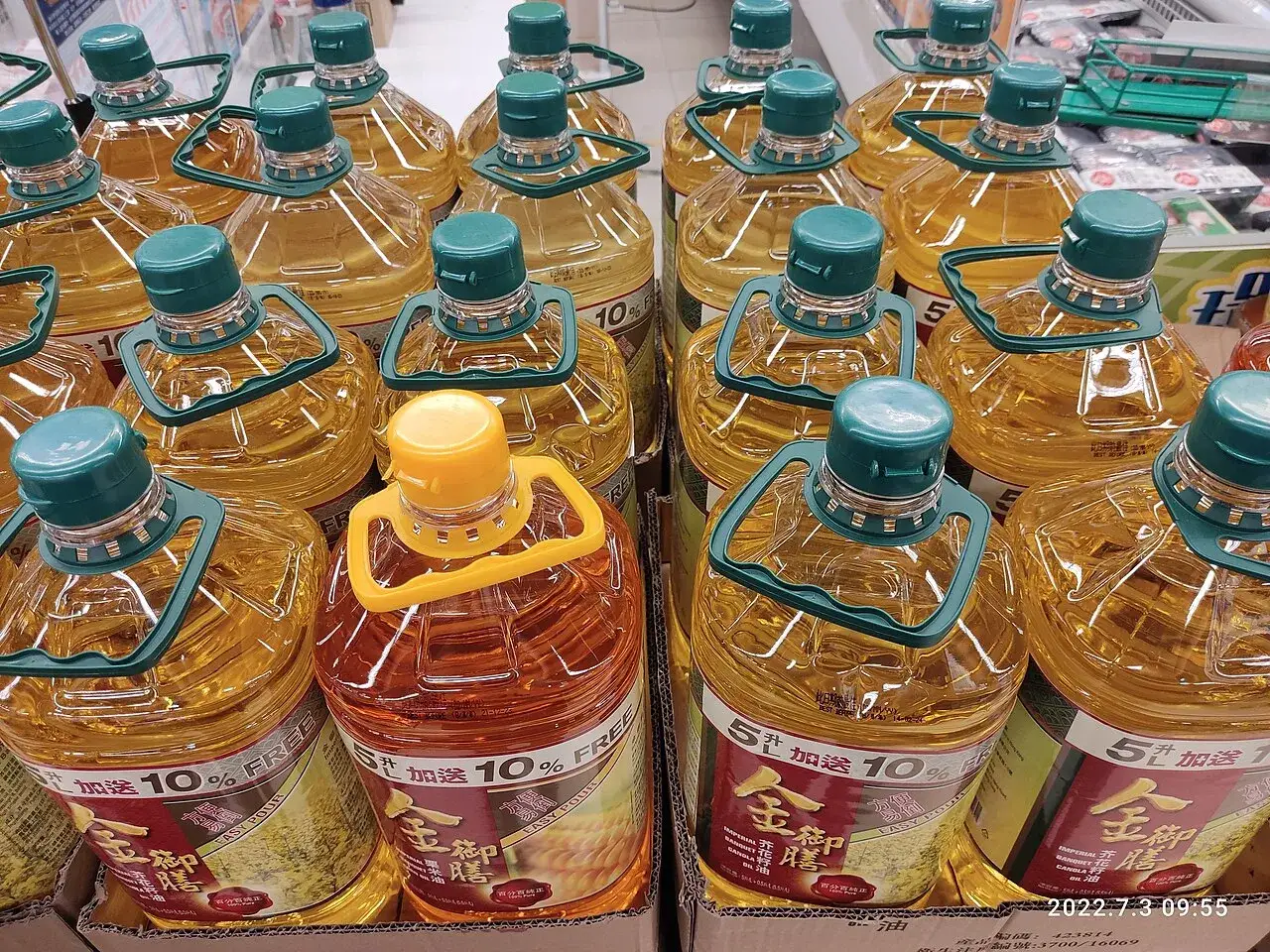
Formats used in the trade for this product, as examples. They are not a statement of our stock:
The pack sizes, carton configuration and pallet pattern for an order are fixed at quotation, together with labelling for the destination market.
| Product name | Vegetable Oil |
|---|---|
| Oil or fat type | Vegetable oil — single oil or declared blend |
| Botanical or animal source | Seed and fruit oils, singly or blended. The oils in the blend are named on the specification and the label. |
| Classification | Single refined oil sold as vegetable oil; Declared blend |
| Appearance and colour | Clear, free of sediment, pale yellow. |
| Aroma | Neutral. Deodorised oils have almost no smell. |
| Flavour | Bland, so it does not compete with the food cooked in it. |
| Standard | Codex Alimentarius CXS 210-1999 covers the individual named oils; blends are sold on an agreed specification |
| HS code (6-digit, HS 2022) | 1517.90 — Edible mixtures or preparations of vegetable fats or oils |
| Storage conditions | Cool, dry and out of direct sunlight, away from strong-smelling goods. Keep containers closed; oxygen, light and heat are what age an oil. |
| Net content per retail unit | Confirmed upon quotation |
| Units per export carton | Confirmed upon quotation |
| Cartons per pallet | Confirmed upon quotation |
| Estimated 20FT container loading | Confirmed upon quotation |
| Estimated 40FT container loading | Confirmed upon quotation |
| Minimum order quantity | Confirmed upon quotation |
| Shelf life | Confirmed upon quotation |
| Country of origin | Confirmed upon quotation |
| Food-grade and quality documentation | Confirmed upon quotation |
| Price and availability | Quoted per inquiry — no stock is implied by this listing |
On the standard: Where “vegetable oil” is a blend, the oils it contains and their proportions are agreed before shipment and declared on the label, because national labelling rules differ.
HS note: A single named oil is classified under its own heading instead (for example 1512.19 for refined sunflower oil). Confirm the tariff line with your customs broker.
The 6-digit HS subheading is internationally harmonised; confirm the full national tariff line with your customs broker. Container loading is calculated once carton dimensions, gross weights, the pallet pattern and the applicable payload limit are known — it is not estimated from the pack size alone.
Tell us the grade, the pack size, the quantity and the destination port, and we will confirm availability, packing and price.
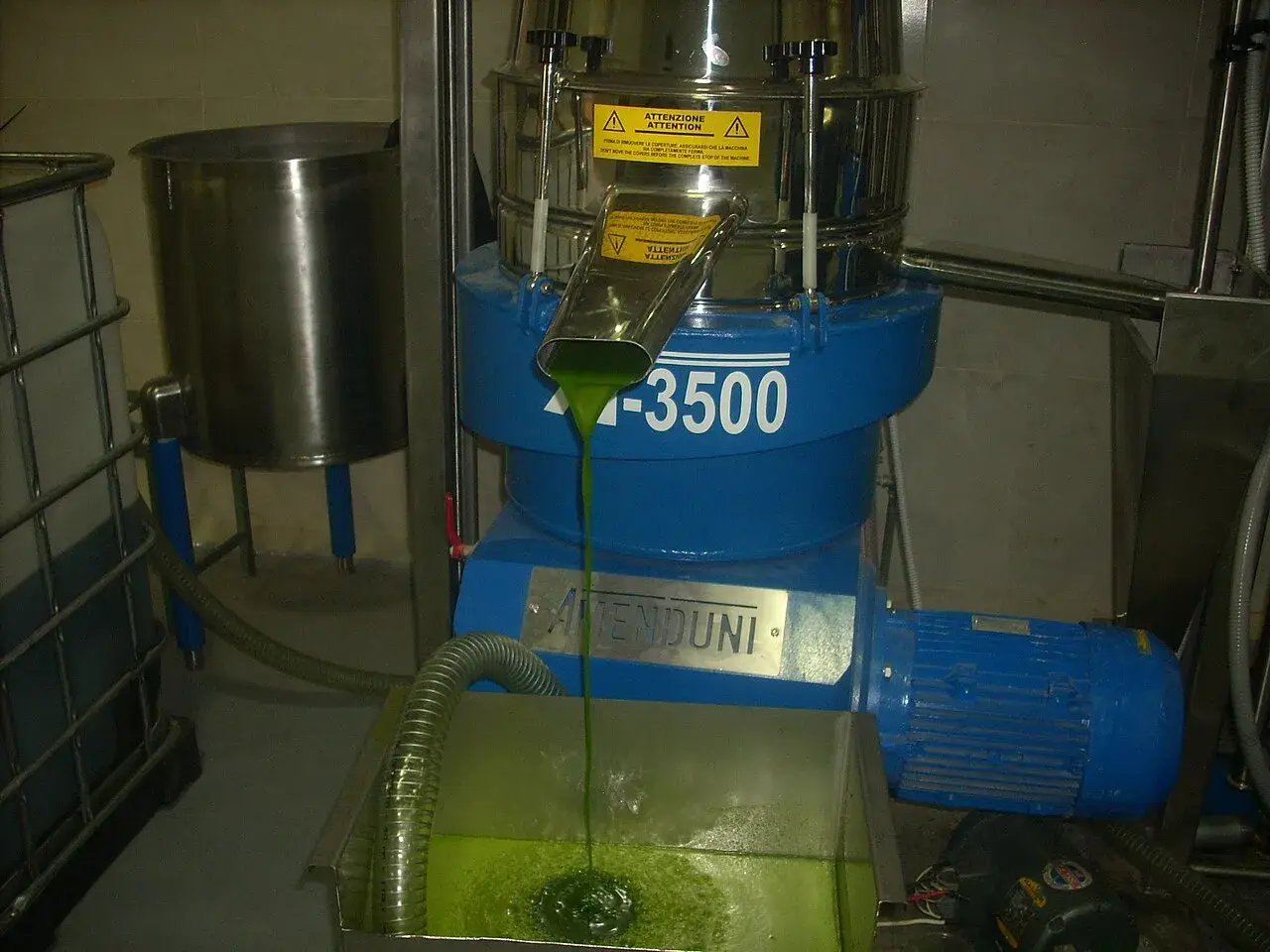
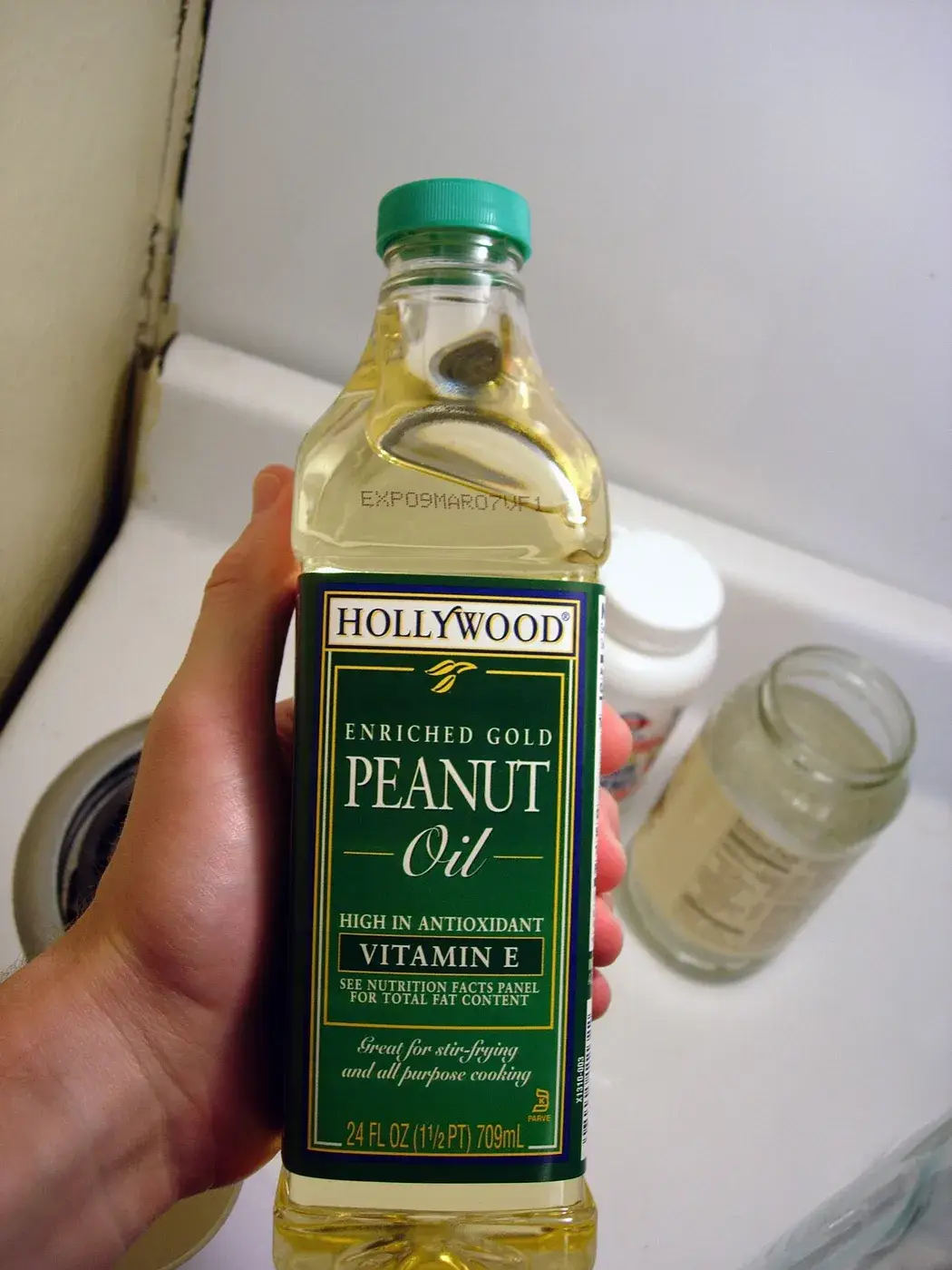
Photographs show examples of retail and wholesale packaging in the trade, or the product itself. They are not photographs of our stock, and the brands shown are not ours.
Vegetable oil — refined
Refined canola oil with a neutral taste, for frying, baking and general cooking.
Vegetable oil — refined and extra virgin
Refined and extra-virgin avocado oil — two grades with different uses.
Vegetable oil — refined
Refined peanut (groundnut) oil for deep frying and stir-frying.
All neutral & high-heat products → · All cooking oils and fats →