Lard is pork fat that has been rendered — melted out of the fatty tissue and strained. It is soft and white at room temperature and firm when chilled. Bakers value it because its crystal structure produces flaky pastry and tender crumb, and it remains a staple frying and cooking fat in Latin American, Central European and Chinese cooking. Grades differ: leaf lard, rendered from the fat around the kidneys, is the mildest and the one preferred for pastry, while general rendered pork fat carries more of a savoury, porky taste.

Key facts for Lard
TypeAnimal fat — rendered pork fat
SourceFatty tissue of the pig (Sus scrofa domesticus), rendered. Leaf lard, from the fat around the kidneys, is the finest grade.
GradesLeaf lard; Rendered pork fat (standard lard)
PackagingTubs and pails: 500 g, 1 kg, 2.5 kg, 5 kg, 10 kg, 20 kg (examples below)
PriceQuoted per inquiry

Grades and how they are used

Leaf lard

Rendered from the fat around the kidneys. The mildest grade and the one traditionally used for pastry.

Character: White, smooth and fine-textured; very mild.

  • Pie crusts, pastry and biscuits
  • Baking where a neutral fat with good texture is wanted

Rendered pork fat (standard lard)

Rendered from back fat and other fatty tissue. Fuller in taste.

Character: White to off-white; a savoury pork note.

  • Frying and roasting
  • Refried beans, tamales and traditional dishes
  • Charcuterie and confit

Culinary applications

  • Pastry, pie crusts and baking
  • Frying and roasting
  • Traditional Latin American, Central European and Chinese cooking
  • Charcuterie and food manufacturing

Cooking with heat

Lard is used for frying and roasting as well as baking. How it behaves depends on how thoroughly it was rendered and filtered, so the lot specification, not a general figure, is the reference.

Smoke point is not published here as a single figure. It varies with refinement, free fatty acid content, filtration and how often an oil has been used, so the figure that matters is the one on the specification for the lot supplied.

Packaging formats

Formats used in the trade for this product, as examples. They are not a statement of our stock:

  • Tubs and pails: 500 g, 1 kg, 2.5 kg, 5 kg, 10 kg, 20 kg
  • Blocks in cartons: 250 g, 500 g, 1 kg
  • Cartons for food service: 10 kg, 12.5 kg, 20 kg
  • Drums for bulk supply

The pack sizes, carton configuration and pallet pattern for an order are fixed at quotation, together with labelling for the destination market.

Wholesale specification

Product nameLard
Oil or fat typeAnimal fat — rendered pork fat
Botanical or animal sourceFatty tissue of the pig (Sus scrofa domesticus), rendered. Leaf lard, from the fat around the kidneys, is the finest grade.
ClassificationLeaf lard; Rendered pork fat (standard lard)
Appearance and colourWhite to off-white, soft and smooth at room temperature, firm when chilled.
AromaClean and faintly savoury; leaf lard is milder.
FlavourMild and rich; standard grades taste more of pork.
StandardCXS 211-1999 — Codex Alimentarius, Standard for Named Animal Fats — lard and rendered pork fat
HS code (6-digit, HS 2022)1501.10 — Lard
Storage conditionsCool and dry, out of sunlight; chilled or frozen storage extends life. Storage and transport temperature must be agreed, because animal fats are perishable.
Net content per retail unitConfirmed upon quotation
Units per export cartonConfirmed upon quotation
Cartons per palletConfirmed upon quotation
Estimated 20FT container loadingConfirmed upon quotation
Estimated 40FT container loadingConfirmed upon quotation
Minimum order quantityConfirmed upon quotation
Shelf lifeConfirmed upon quotation
Country of originConfirmed upon quotation
Food-grade and quality documentationConfirmed upon quotation
Price and availabilityQuoted per inquiry — no stock is implied by this listing

On the standard: The standard distinguishes “lard” from “rendered pork fat”, which may come from other parts of the carcass. Some markets also require religious or dietary labelling.

HS note: Other pig fat is 1501.20. Confirm the tariff line and the import conditions for animal products with your customs broker.

The 6-digit HS subheading is internationally harmonised; confirm the full national tariff line with your customs broker. Container loading is calculated once carton dimensions, gross weights, the pallet pattern and the applicable payload limit are known — it is not estimated from the pack size alone.

Points to note when ordering

  • A pork product: it is not permissible for halal or kosher markets, and many destinations require specific labelling and veterinary import documents.
  • Import of animal fats usually requires a veterinary health certificate and an approved establishment number. Confirm the destination’s requirements before ordering.

Request a quotation for Lard

Tell us the grade, the pack size, the quantity and the destination port, and we will confirm availability, packing and price.

Include the country code, for example +66 80 904 6011.

Choose from the list or type any product.

Wholesale details (optional)

Helpful details: quantity, packaging, destination port and delivery terms.

Fields marked * are required. Your details are used only to respond to your inquiry.

Prefer email? [email protected]. OrWhatsApp / call+66 80 904 6011.

Photo credits

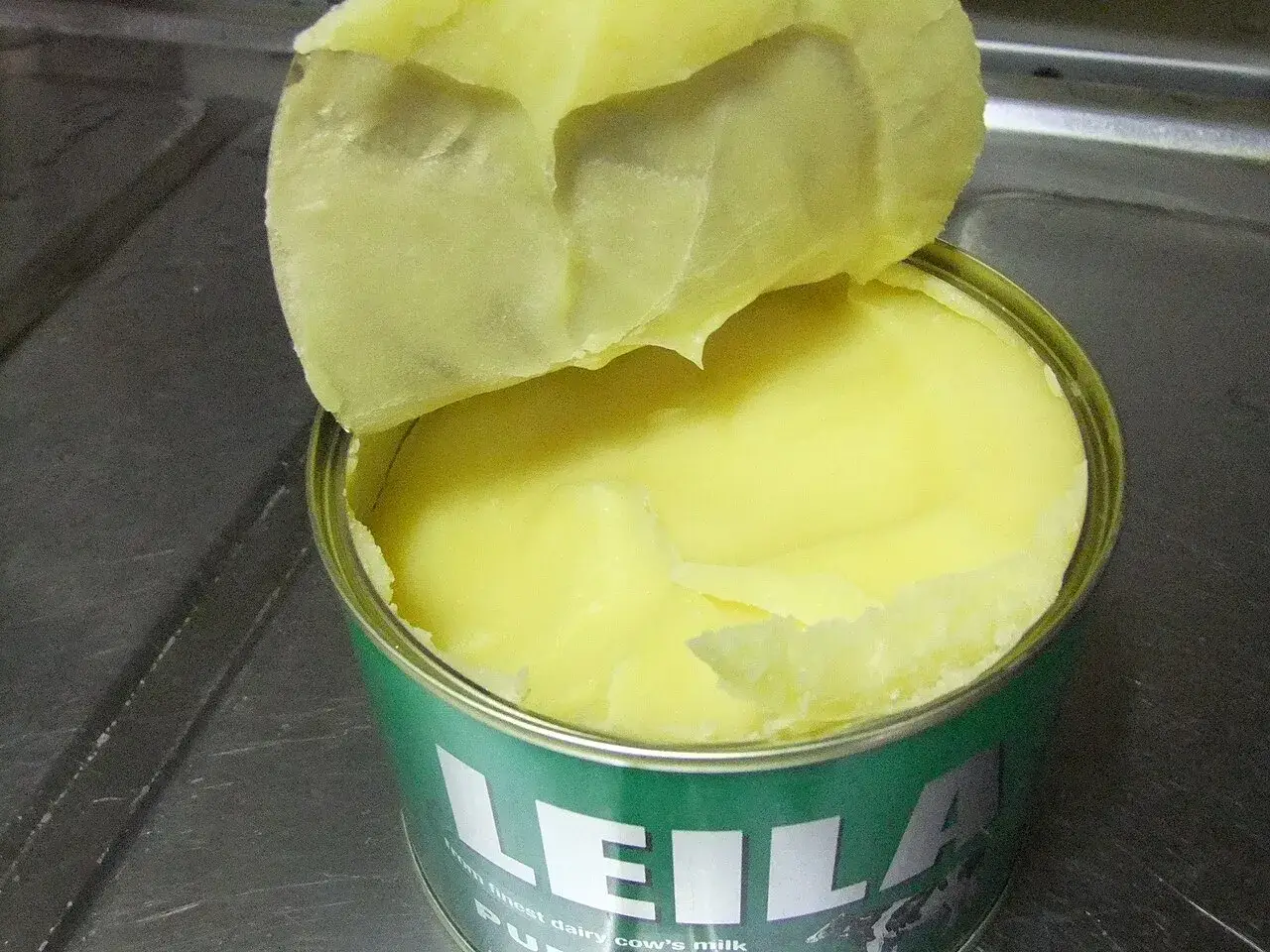
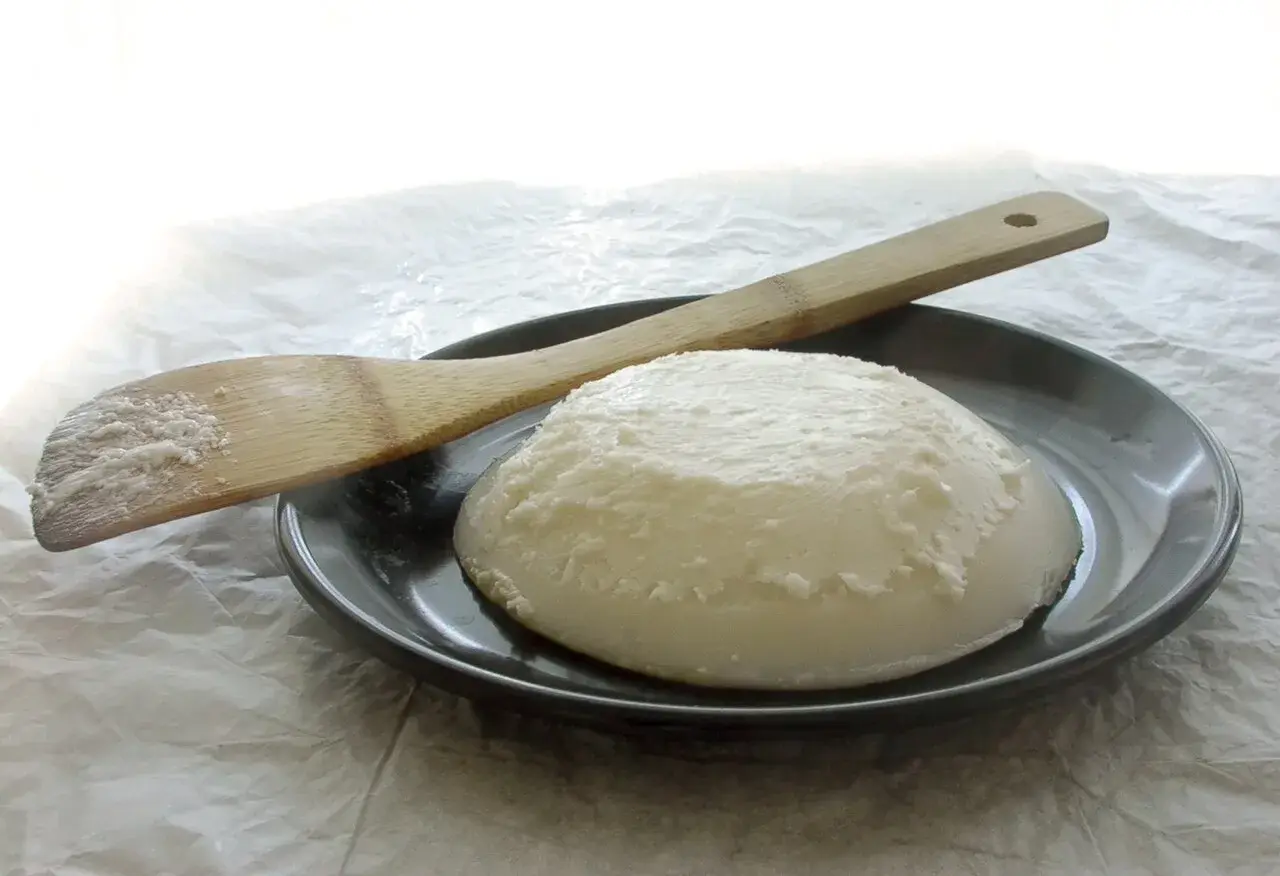
Photographs show examples of retail and wholesale packaging in the trade, or the product itself. They are not photographs of our stock, and the brands shown are not ours.

  • “Home-rendered lard, white and smooth, on a plate with a wooden spatula” by No machine-readable author provided. Peter G Werner~commonswiki assumed (based on copyright claims)., CC BY 2.5, via Wikimedia Commons (resized).